Not Worth the Risk: 10 Items That Can Void Your Storage Unit Agreement

Understanding storage agreement violations matters for protecting your belongings and your relationship with your storage provider. Certain items create serious legal, safety, and insurance risks that can terminate your storage contract immediately.
Storage facilities follow strict policies about prohibited items to protect customers, staff, and property from damage, contamination, or legal complications. Violating these restrictions can void your storage agreement, leaving you without recourse and facing additional charges.
Why Storage Unit Agreement Violations Matter
Storage unit agreement violations create liability issues, safety hazards, and legal problems that extend beyond your storage unit.
Storage facilities operate under strict regulations that prohibit the storage of certain items on premises. Violations breach your contract and expose facilities to regulatory penalties, insurance claims, and safety risks that affect all customers.
Professional storage facilities invest in security, climate control, and safety systems to protect approved items. Prohibited materials compromise these systems, damage other customers’ belongings, or create emergencies that may require evacuation. Understanding storage agreement violations helps you make informed storage decisions and protects your items.
1. Hazardous Chemicals and Toxic Substances
Storing hazardous chemicals is a serious violation of self storage agreements due to extreme safety risks and legal liability. Paint thinners, pesticides, cleaning solvents, acids, and industrial chemicals create fire hazards, emit toxic fumes, and contaminate entire facilities if containers leak.
A storage company may be unable to safely contain chemical spills or neutralise toxic exposures, thus prohibiting these items. Even household chemicals like bleach or ammonia violate storage terms due to their dangerous combinations.
2. Flammable Liquids and Combustible Materials
Flammable liquids and combustible materials are potential fire hazards capable of damaging storage facilities and endangering lives.
Common flammable items that may violate storage terms and conditions include:
- Petrol, diesel, and automotive fuels that ignite easily and burn rapidly
- Propane tanks and gas cylinders that explode under pressure or heat
- Lighter fluid and accelerants for outdoor grills and equipment
- Paint thinners and solvents that emit volatile vapours
- Nail polish and beauty products containing flammable compounds
- Aerosol cans that explode when exposed to heat or pressure
Even “empty” containers retain flammable vapours, creating explosion risks. Business storage customers who store equipment must empty and clean items containing flammable substances thoroughly before storage.
3. Perishable Food and Organic Matter
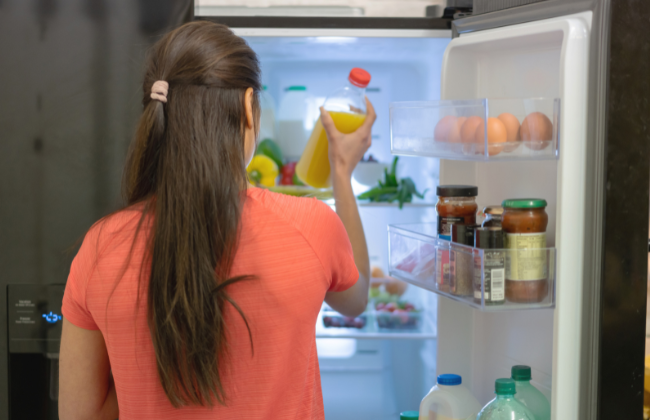
Perishable food items create issues leading to storage agreement violations and possible contract termination. Food storage creates serious facility-wide problems:
- Attracts pests, including rodents and insects, that spread throughout facilities
- Creates unsanitary conditions, violating health regulations and contaminating nearby units
- Produces strong odours that permeate storage areas and affect other customers’ belongings
- Breeds bacteria and mould, spreading through ventilation systems
- Decomposes, creating permanent contamination requiring professional cleanup
- Violates insurance policies specifically excluding damage caused by food storage
Self storage facilities cannot control pest infestations once organic matter decomposes, making food storage a zero-tolerance violation.
4. Live Plants and Animals
Living organisms cannot survive in self storage conditions, which can create health, safety, and legal issues and void storage agreements. Plants require light, water, and air circulation that storage units cannot provide, leading to death and decomposition.
Student storage customers may attempt to store plants during holidays, but this violates storage agreements. Animals cannot be stored due to animal welfare laws; even taxidermy specimens present health risks and regulatory violations.
5. Stolen or Illegal Goods
Storing stolen property or illegal items creates legal complications that can terminate self storage agreements and result in criminal charges. Storage facilities must comply with law enforcement requests and can be liable for knowingly storing illegal goods.
This includes counterfeit goods, drugs, stolen property, or items obtained through fraud. Even unknowingly acquiring illegal items violates agreements, and storage providers maintain the right to inspect units and report suspicious activities to authorities.
6. Firearms, Weapons and Ammunition
Weapons and ammunition are a security risk and create legal complications, making them prohibited under some storage agreements. Even legally owned firearms require special storage conditions, licensing, and security measures that standard storage facilities cannot provide.
This ban includes knives, swords, or martial arts equipment that could harm others. Ammunition is dangerous in fires or extreme temperatures, potentially exploding and causing injuries.
7. Explosives and Fireworks
Explosives and fireworks are extreme fire and safety hazards that can void storage agreements and result in criminal charges. Even small fireworks ignite spontaneously due to temperature changes, shock, or chemical deterioration, destroying entire facilities.
Storage facilities have detection equipment for identifying explosive materials. Discovery results in immediate law enforcement notification and agreement termination, including ammunition, dynamite, and any explosive devices, regardless of size.
8. Wet or Damp Items
Wet or damp items cause mould problems, which spread rapidly throughout storage facilities and damage other customers’ property. Moisture trapped in storage creates ideal breeding conditions for mould and mildew, contaminating entire facilities.
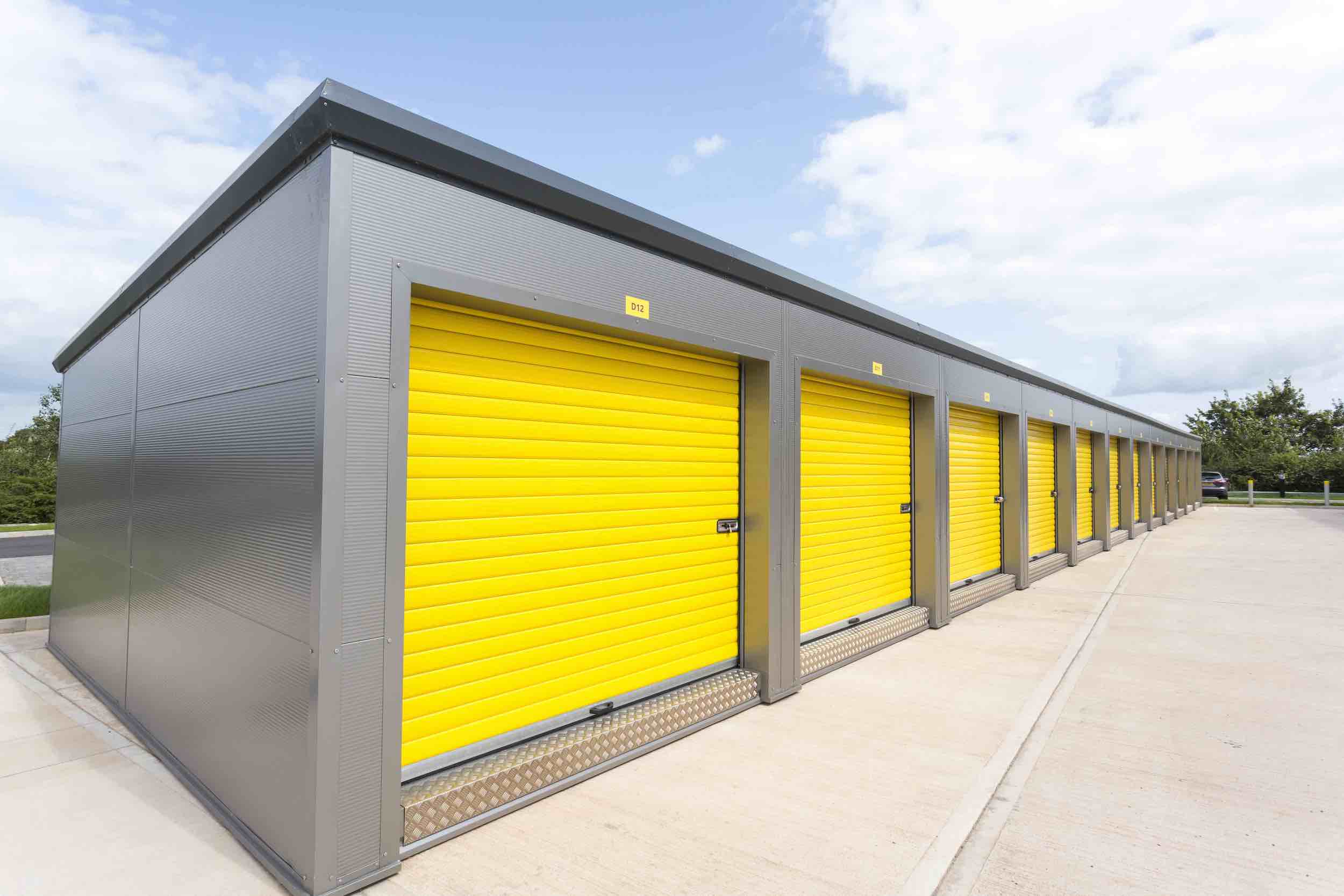
Drive-up storage units make it easier to prepare items properly, but all items must be completely dry to avoid agreement violations. Even seemingly dry items can retain moisture, causing problems over time.
9. Personal Identity Documents
Storing original personal documents like passports, birth certificates, and financial records can be a security risk. Identity theft is a growing concern; storage facilities cannot provide the same security as bank safety deposit boxes.
You often need these documents quickly for emergencies, travel, or financial transactions when storage facilities might be closed. Consider digital copies stored securely online and keep originals in bank safety deposit boxes or fireproof home safes.
10. Items of Unknown Ownership
Storing items without clear documentation of ownership can also be a legal risk and a potential storage agreement violation that could result in property seizure. Facilities may refuse release or require legal documentation before allowing access if you cannot prove legal ownership of items.
Storage facilities protect themselves by requiring customers to verify ownership of stored items, especially electronics, jewellery, or collectables. Keep receipts, insurance documentation, or ownership proof to avoid complications and potential agreement violations.
Protecting Your Storage Investment With Storage Solutions From Surestore
Understanding storage agreement violations will help you avoid costly mistakes and build a good standing with storage providers. Storage facilities create restrictions to protect customers, maintain safe conditions, and comply with legal requirements. Violating terms risks your contract and endangers other customers while creating legal liability.
Before storing questionable items, consult your storage provider about restrictions and alternatives. Some facilities offer recommendations for storage preparation and support for items that require special handling.
Check our storage packing tips for guidance on preparing items in a way that prevents any of the issues we covered above. Contact us today to discuss storage needs and get clarity about appropriate storage items.
Share article on socials: