5 Tips for Safe Furniture Storage During Home Moves

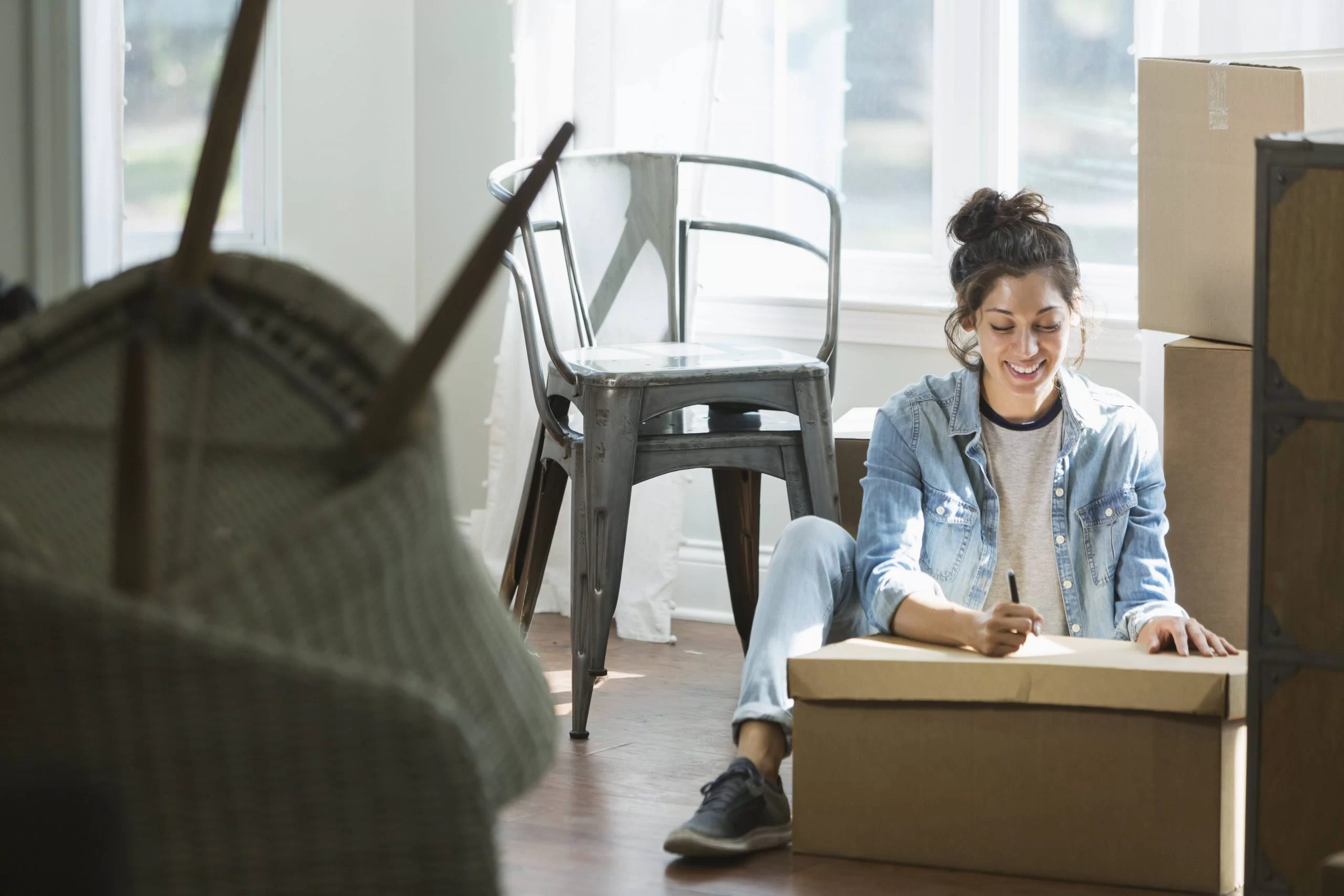
Moving house means dealing with timing gaps, transportation logistics, and protecting furniture from damage. Safe furniture storage tips can mean the difference between your pieces arriving in perfect condition or incurring costly damage.
Whether dealing with gaps between moving dates or needing temporary space during renovations, good preparation and storage techniques are necessary to protect your furniture and reduce moving stress. These proven strategies safeguard everything from antique wooden pieces to modern upholstered furniture.
Why Safe Furniture Storage Matters During Moves
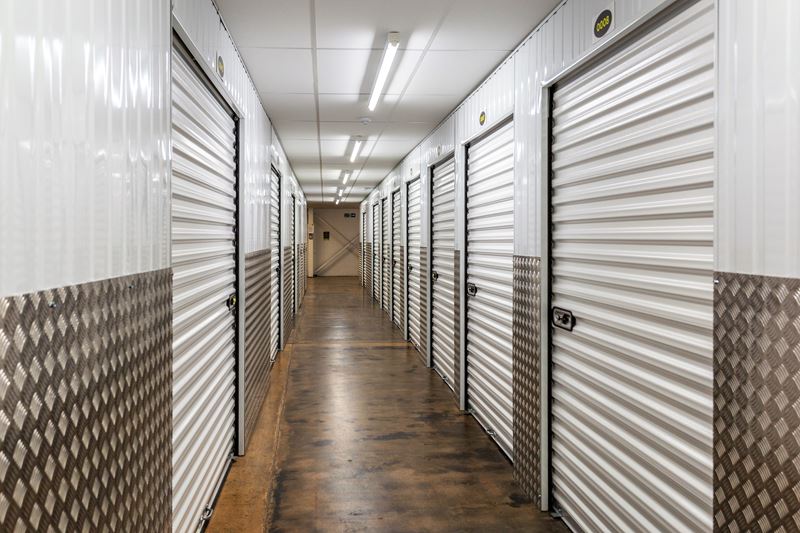
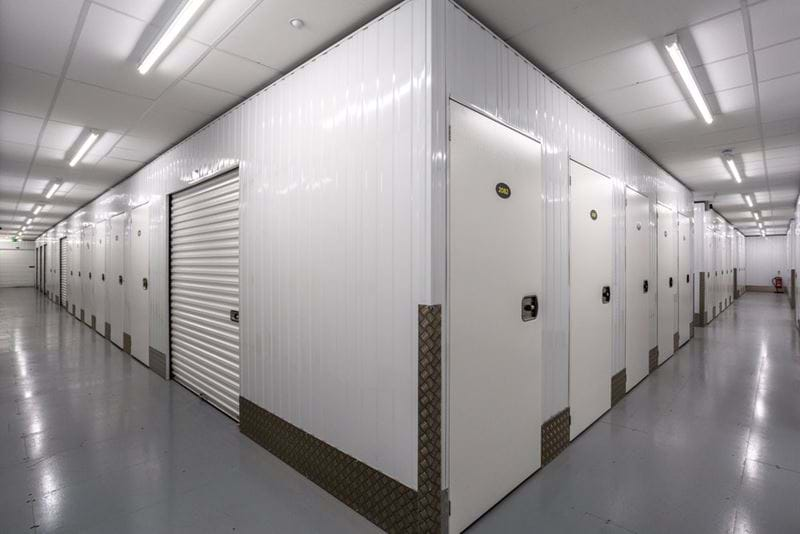
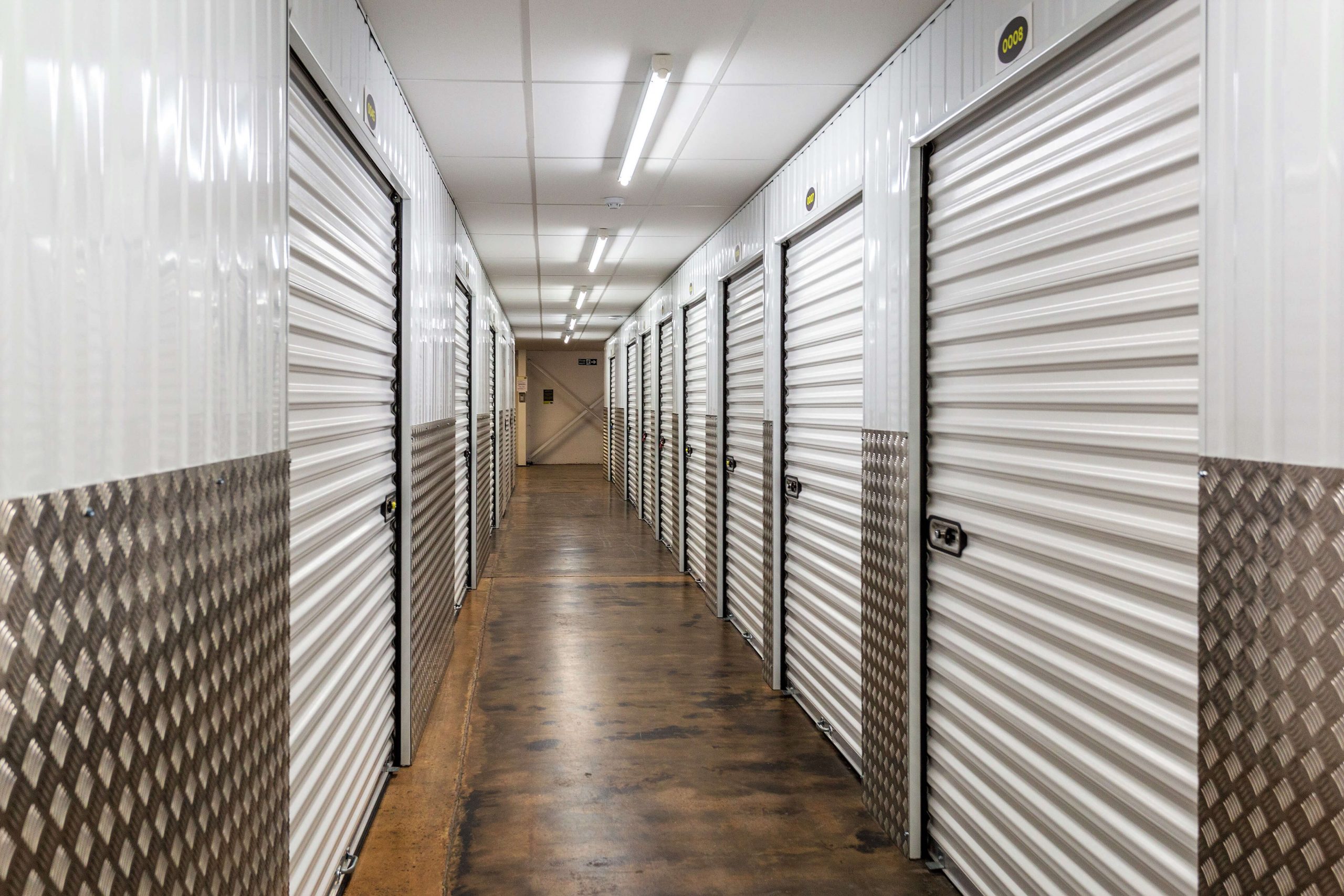
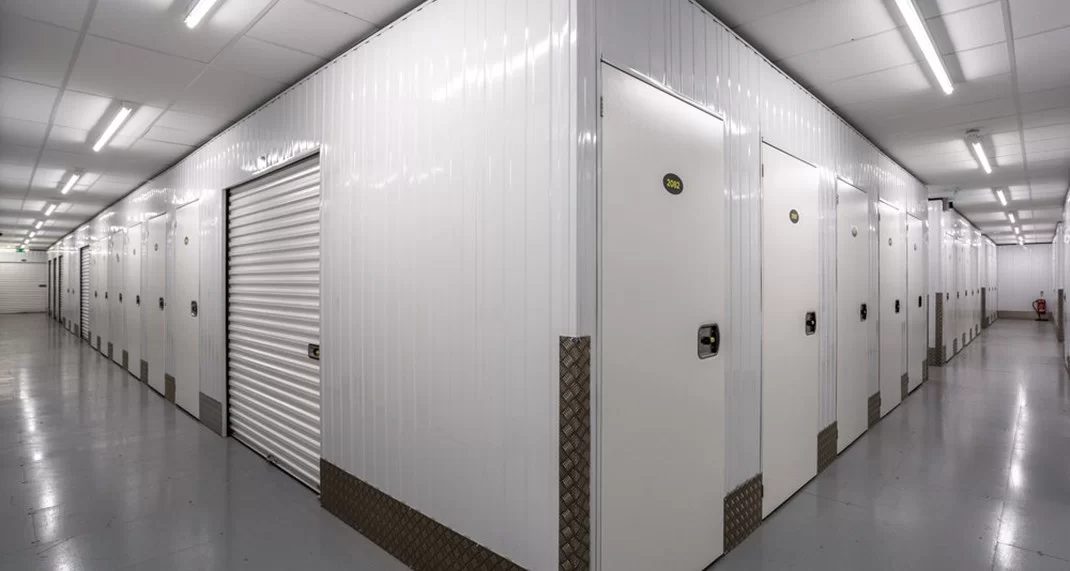
Furniture is one of your most valuable and sentimental possessions, making suitable protection key during storage periods. Without adequate preparation, furniture can suffer from moisture damage, scratches, pest infestations, and structural damage from improper handling. Professional home storage facilities provide controlled environments, but your preparation determines whether items emerge in pristine condition.
Moving house creates timing gaps where you need temporary furniture storage between properties. Following safe furniture storage tips protects your belongings whilst giving you flexibility during the moving process.
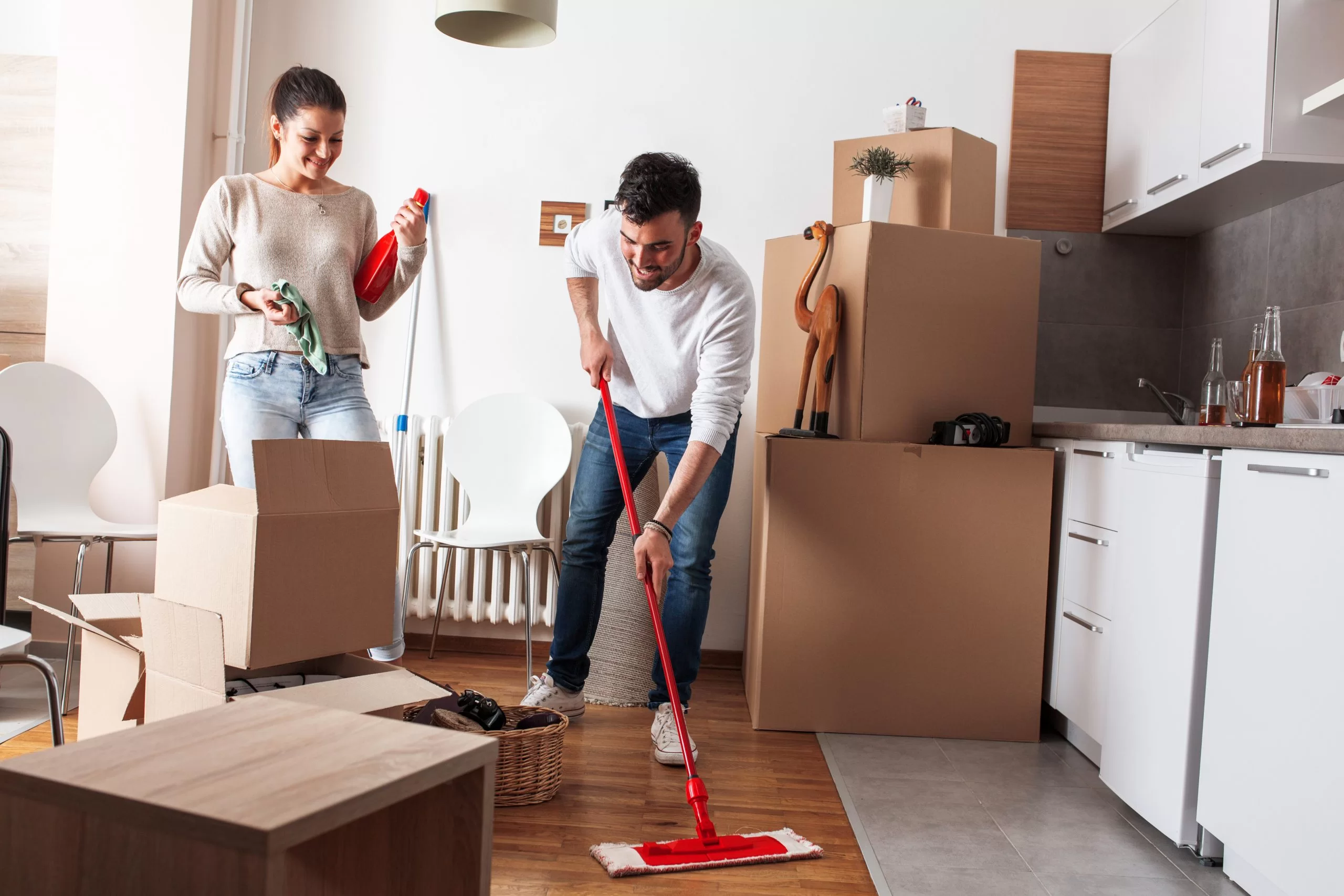
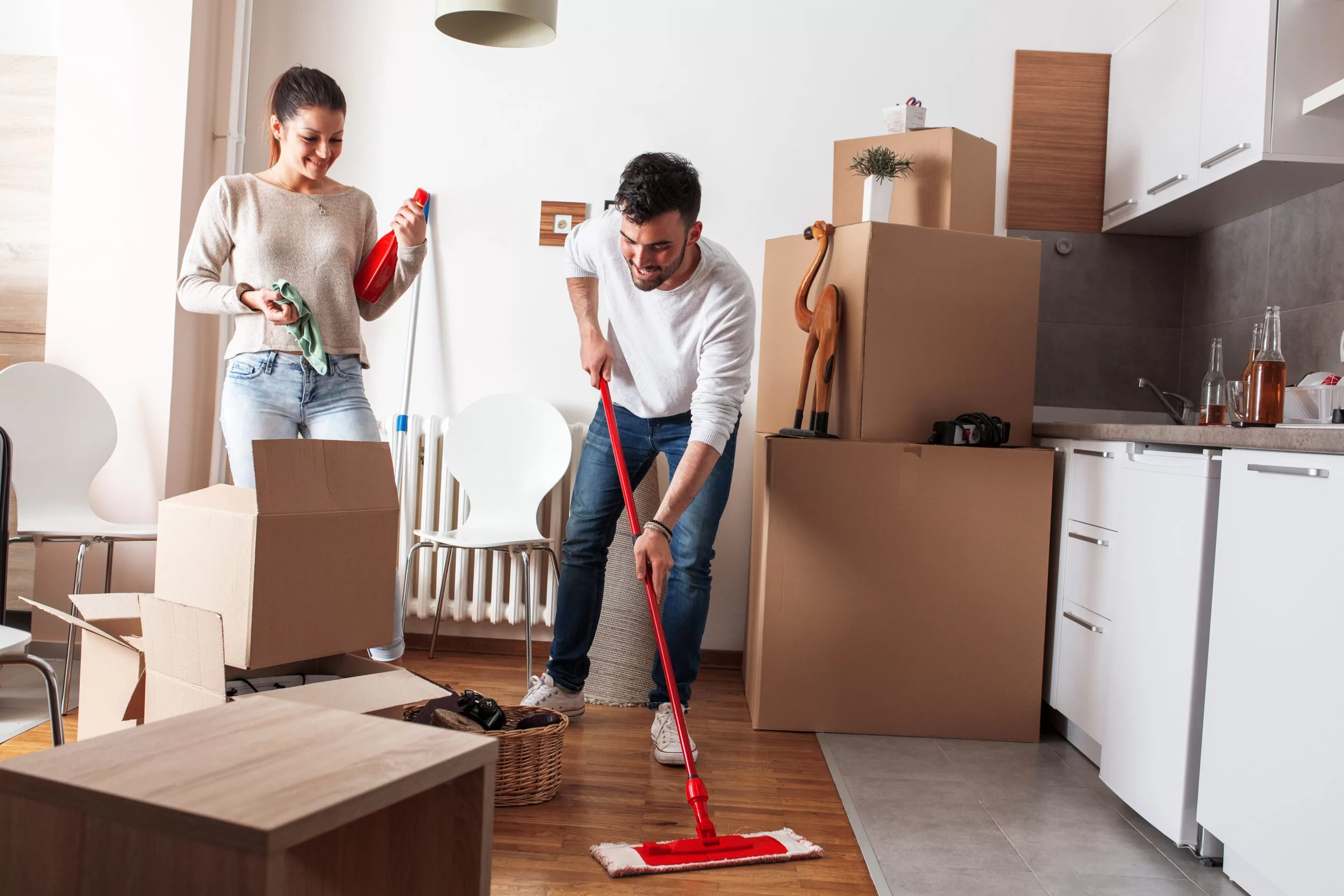
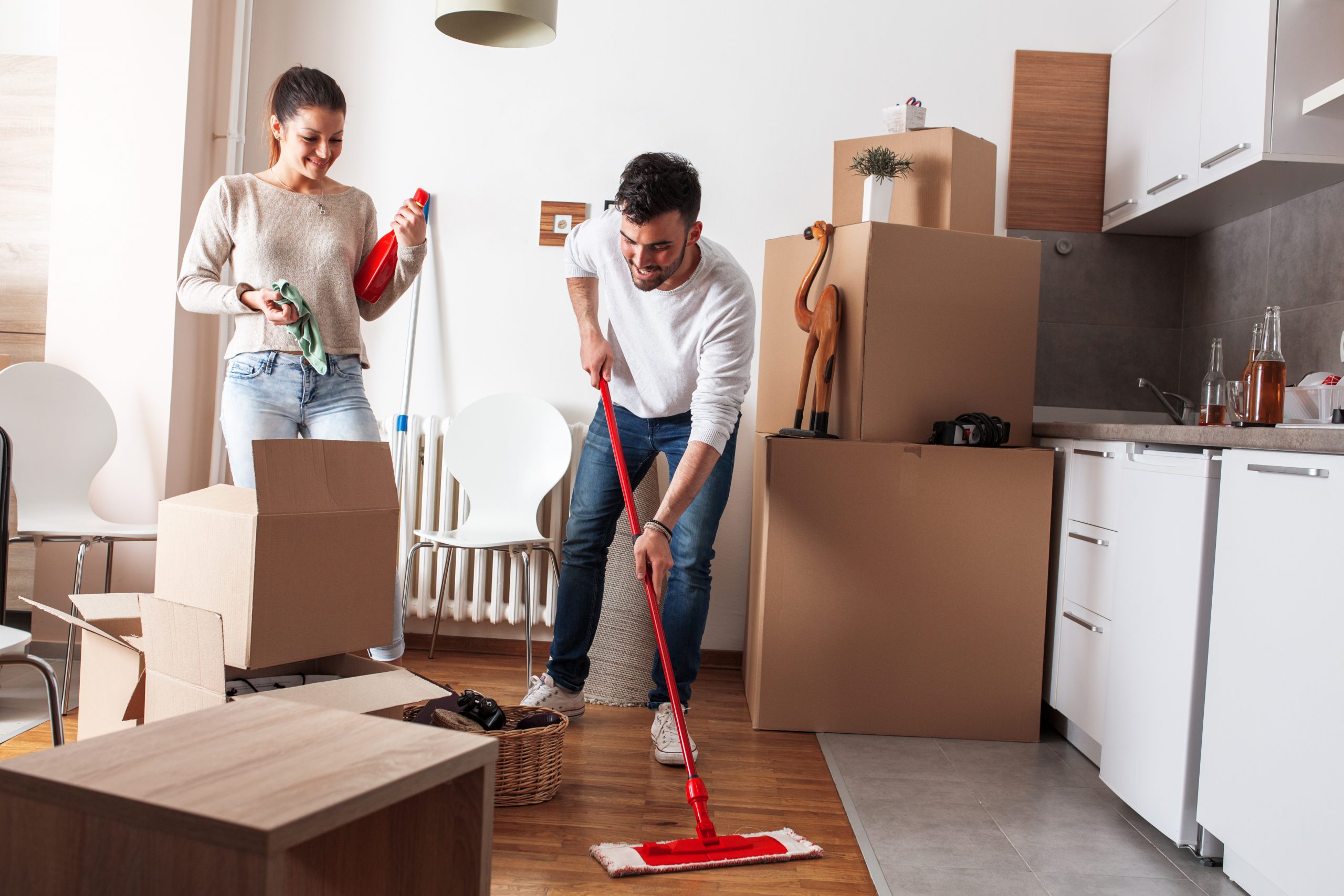
Tip 1: Clean Every Surface Thoroughly Before Storage
Cleaning thoroughly helps reduce long-term damage and pest problems.
Use the ideal cleaning methods for different furniture types:
- Wooden furniture requires mild soap and water solutions to remove dirt, dust, and food particles without damaging finishes.
- Upholstered pieces need commercial upholstery cleaners designed for specific fabric types like cotton, leather, or synthetic materials.
- Metal components should be wiped down with suitable cleaners and dried completely to prevent rust.
- Glass surfaces need streak-free cleaners that won’t leave residue attracting dust.
- Leather furniture benefits from conditioning treatments that prevent cracking during storage.
Pay special attention to hidden areas like drawer interiors, cabinet backs, and underneath cushions where debris accumulates. Let everything dry completely before storage—trapped moisture leads to mould growth and permanent damage.
Thorough cleaning limits stains from setting and ensures your furniture is ready to use when you retrieve it from your storage unit.
Tip 2: Disassemble Removable Components Safely
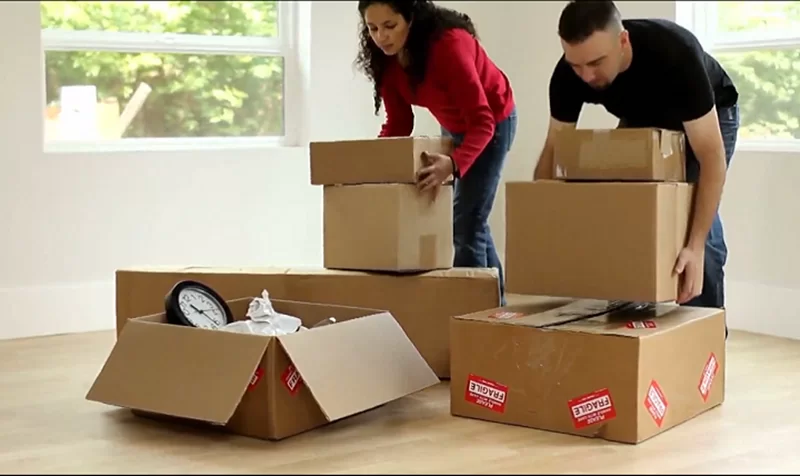
Breaking down furniture into smaller components protects individual pieces while making transportation and storage more manageable.
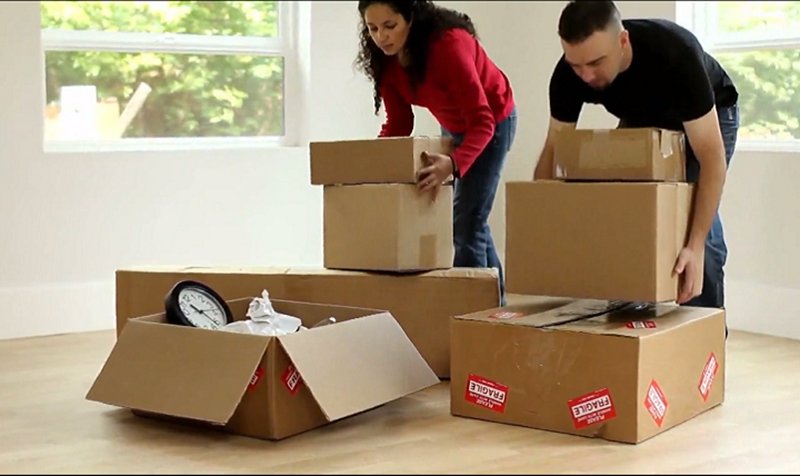
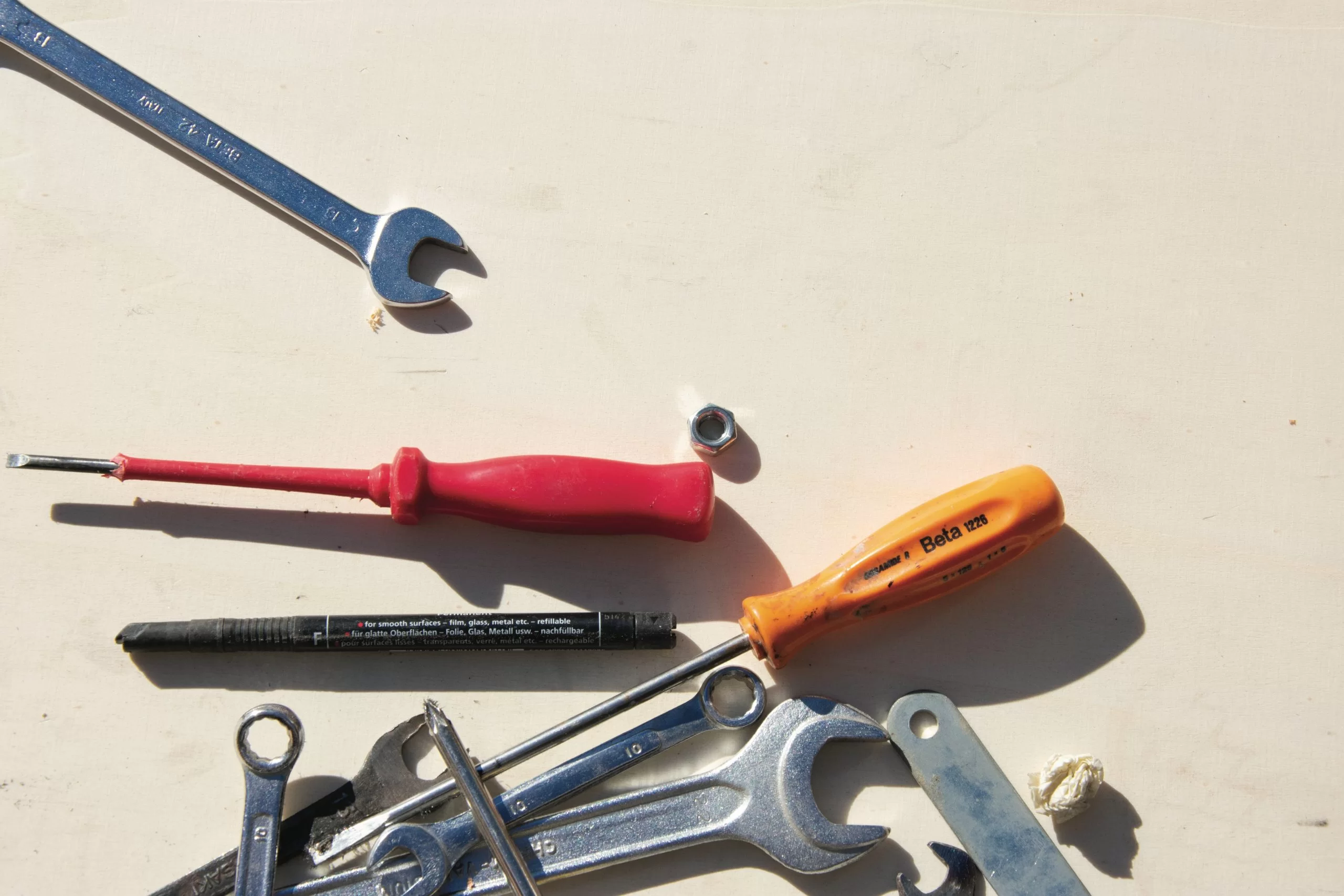
Remove drawers from dressers, remove cushions from sofas, and unscrew table legs where possible. This prevents components from shifting during transport and reduces stress on joints and connections. Keep all hardware (screws, bolts, brackets) in clearly labelled bags taped to the corresponding furniture piece. Take photos during disassembly to remember how pieces fit together.
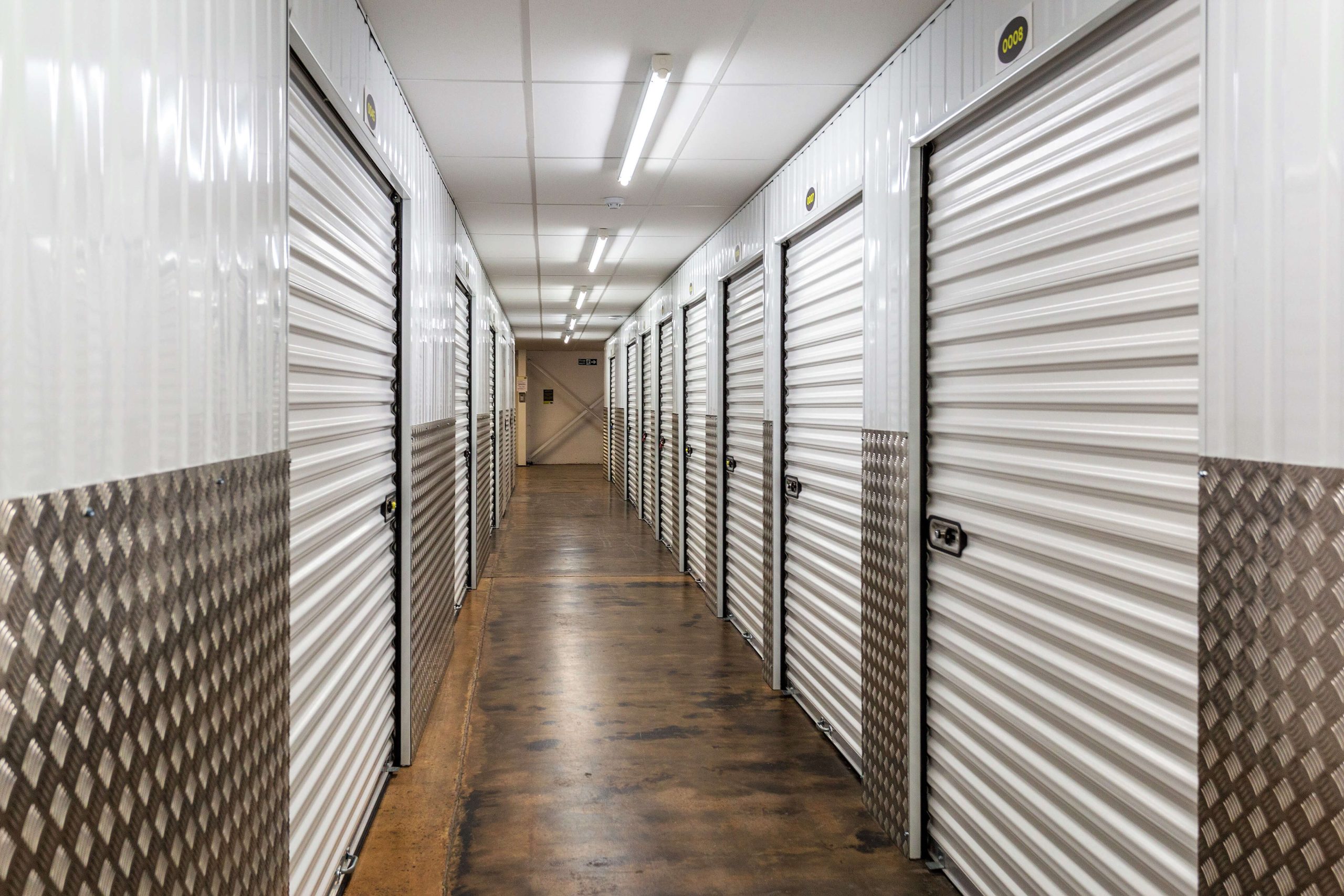
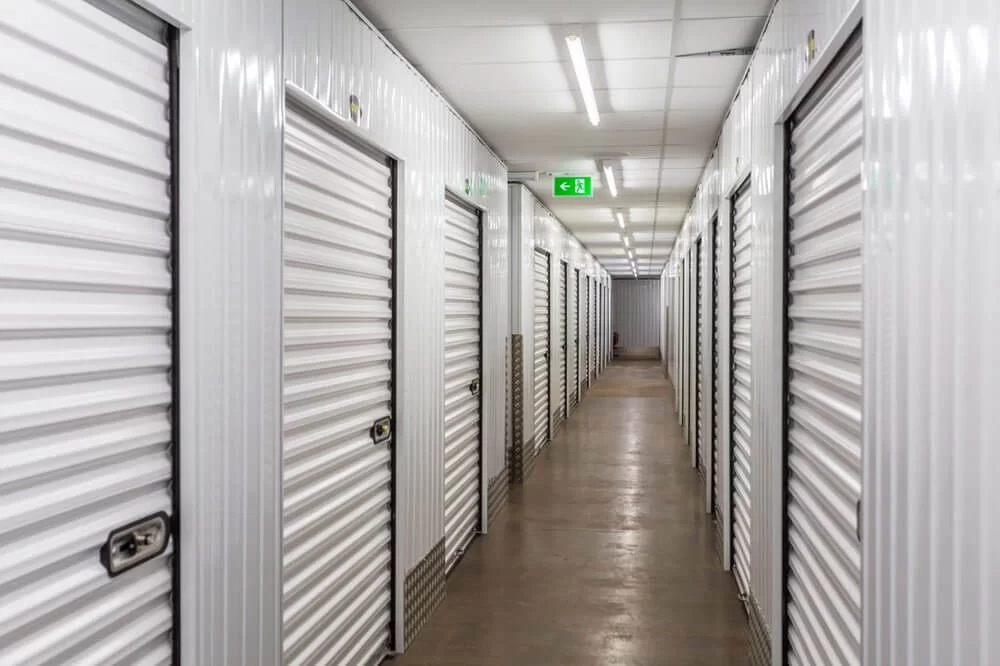
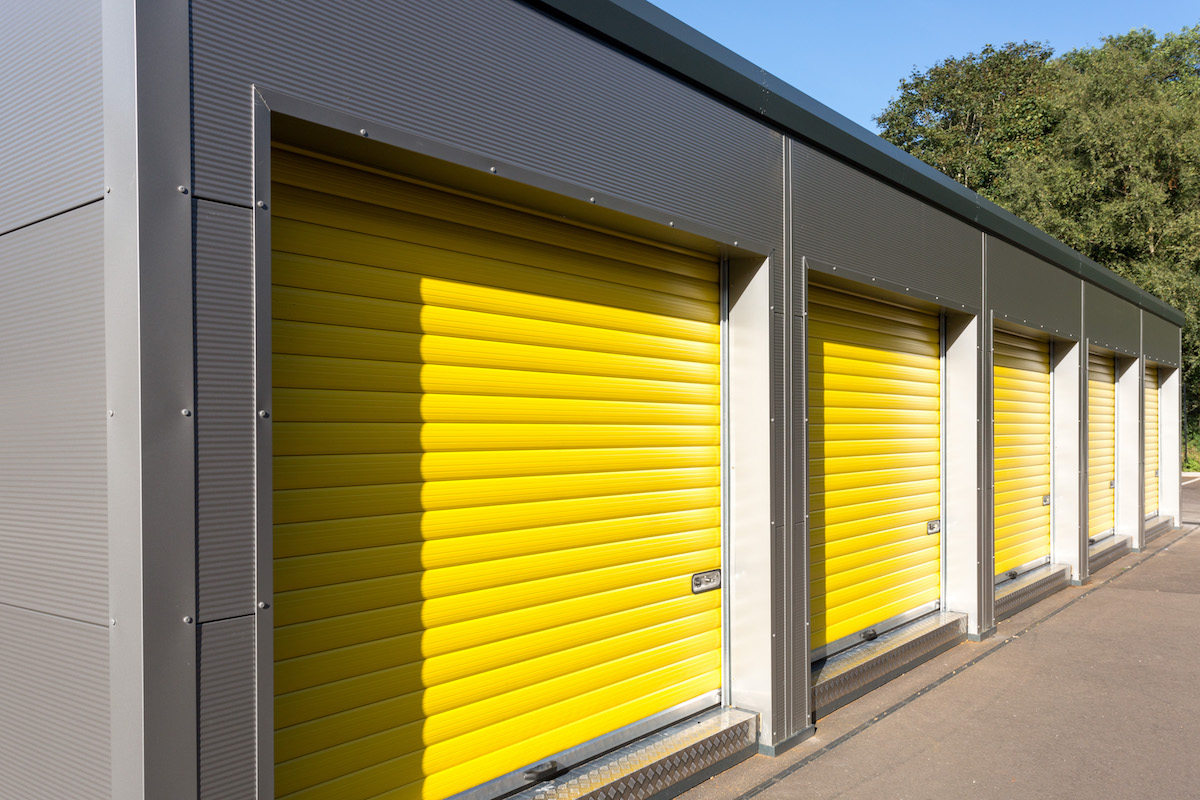
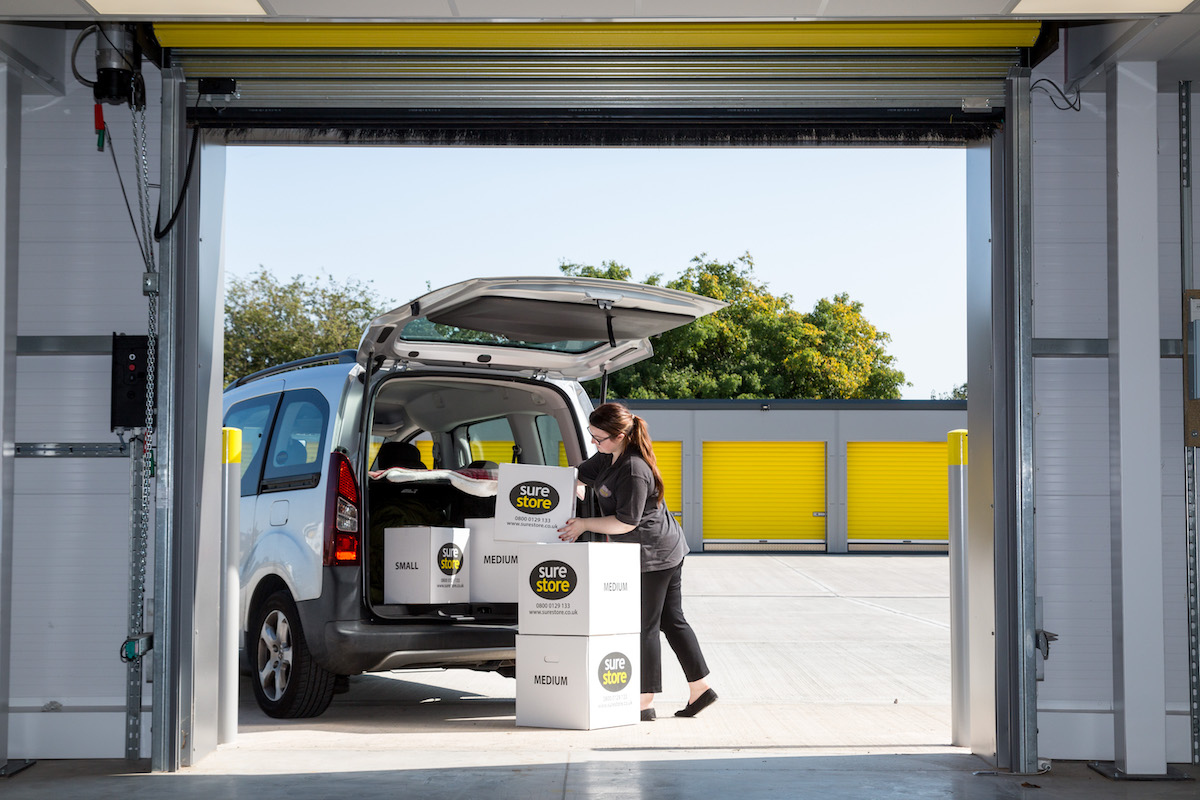
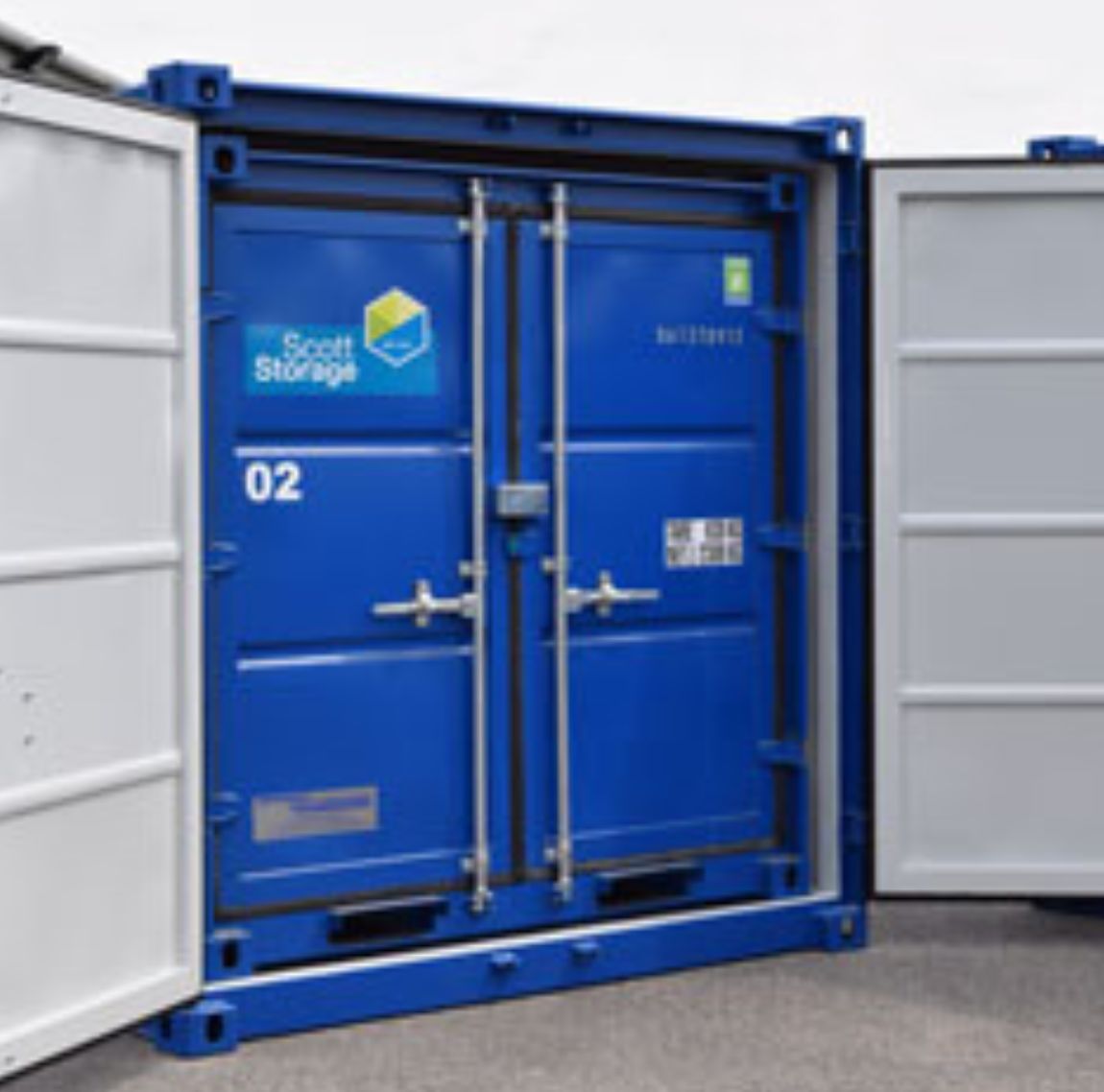
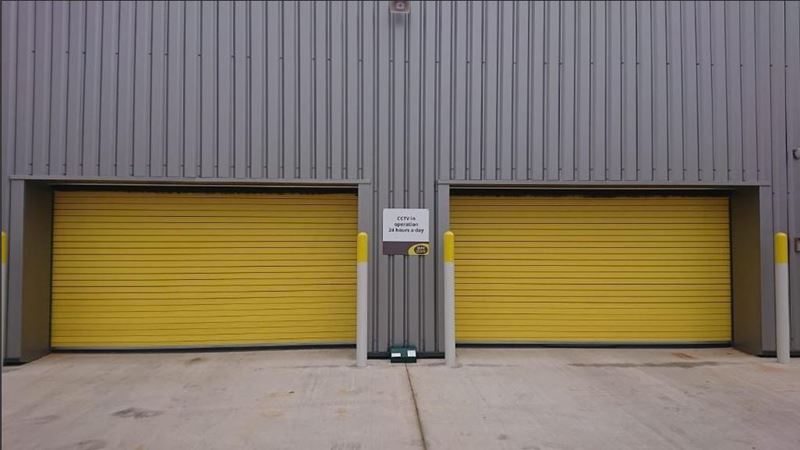
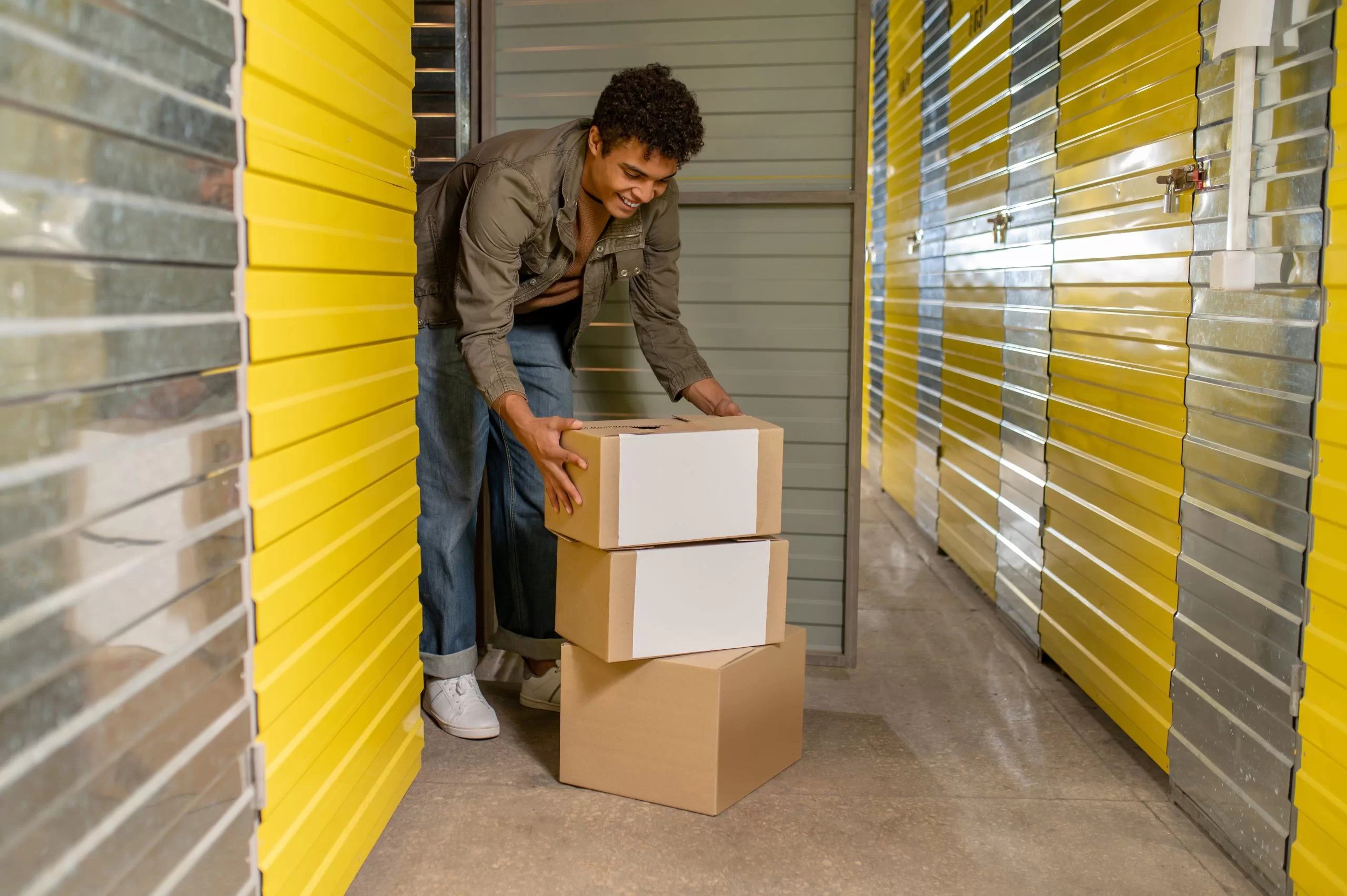
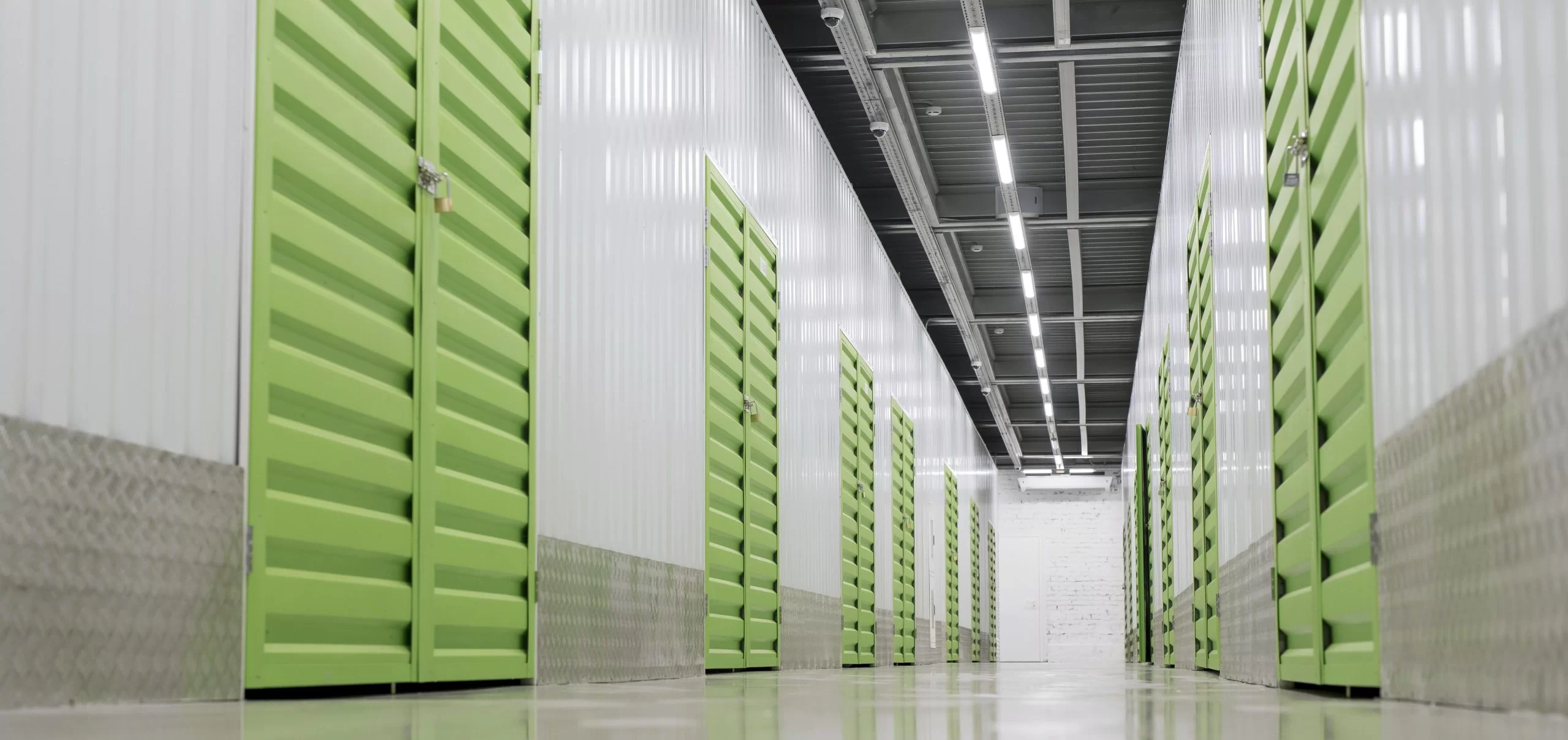
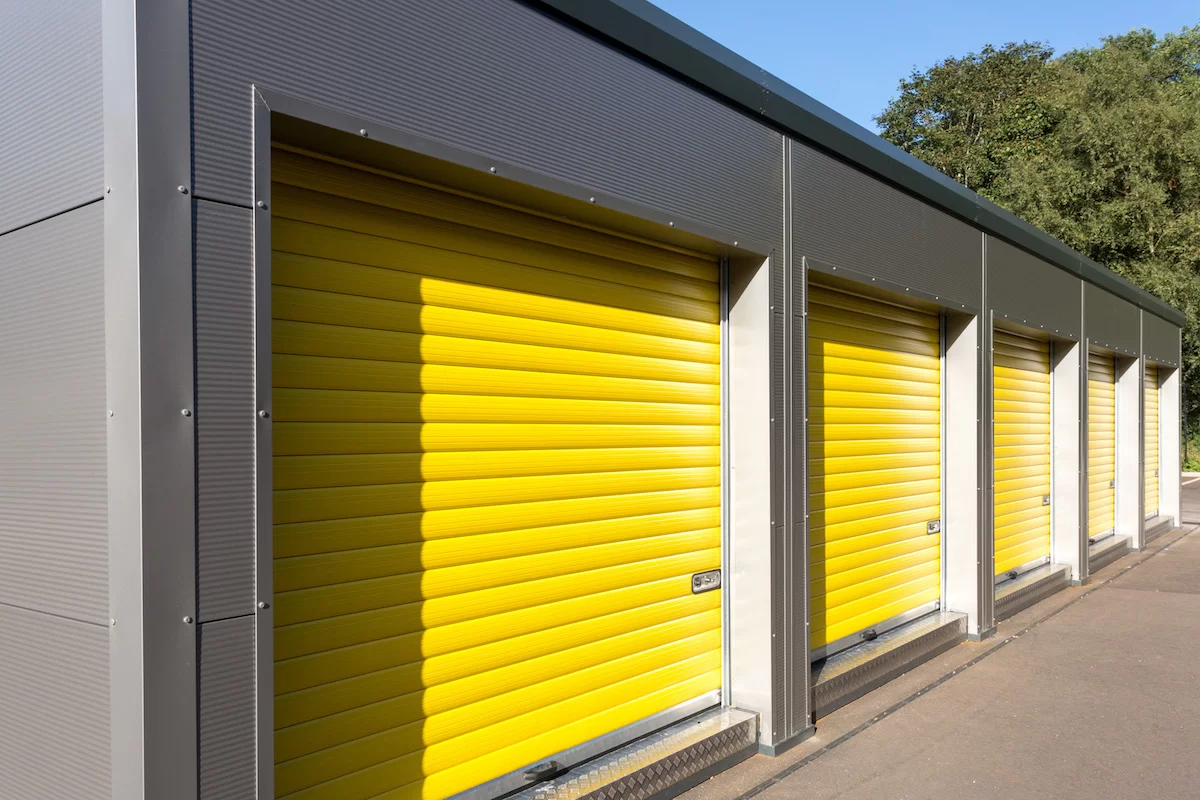
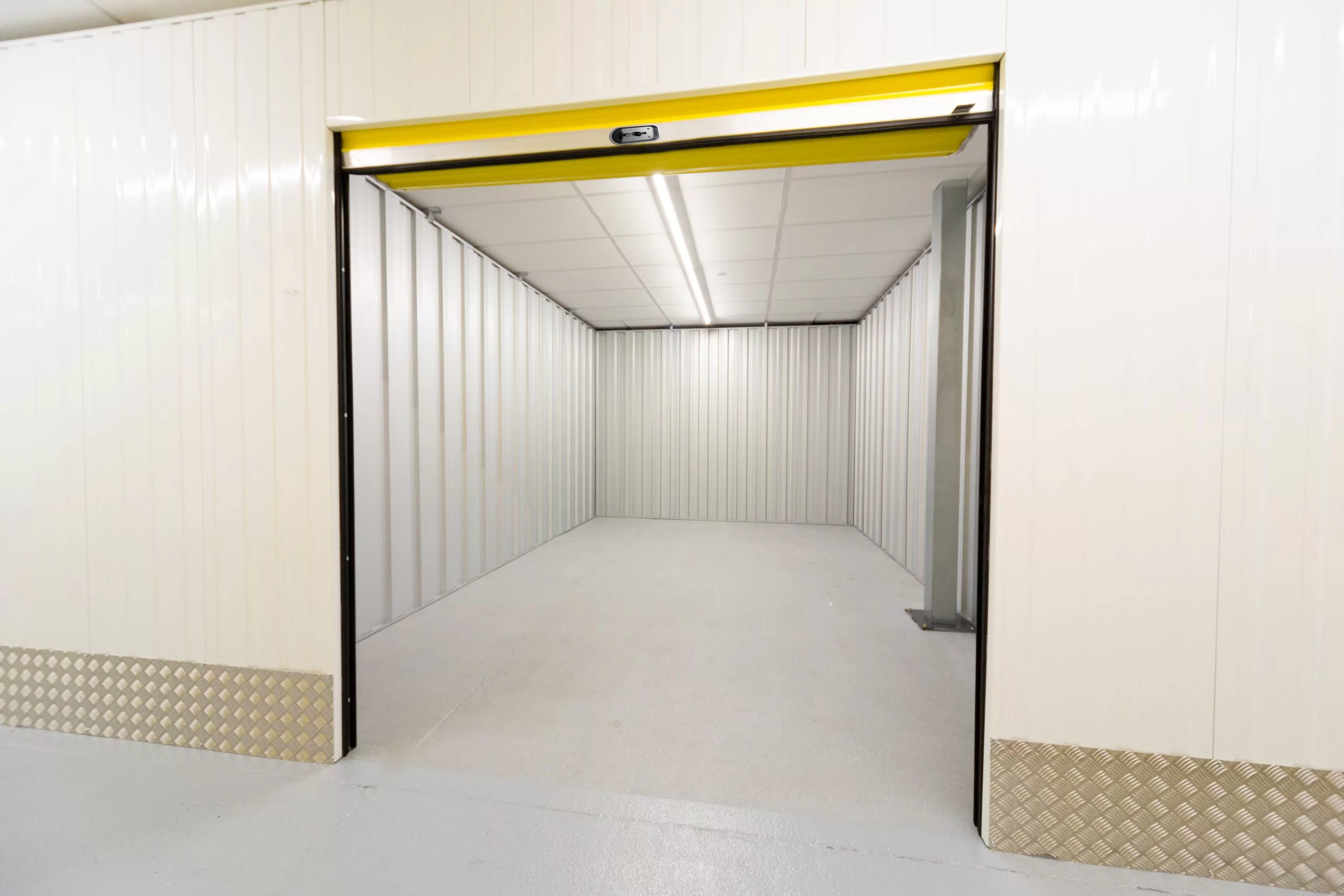
Drive-up storage units make this process easier by letting you load disassembled components directly from your vehicle.
Tip 3: Wrap Furniture with Breathable Protection
Wrapping correctly shields furniture from dust, moisture, and scratches and allows air circulation, eliminating condensation problems.
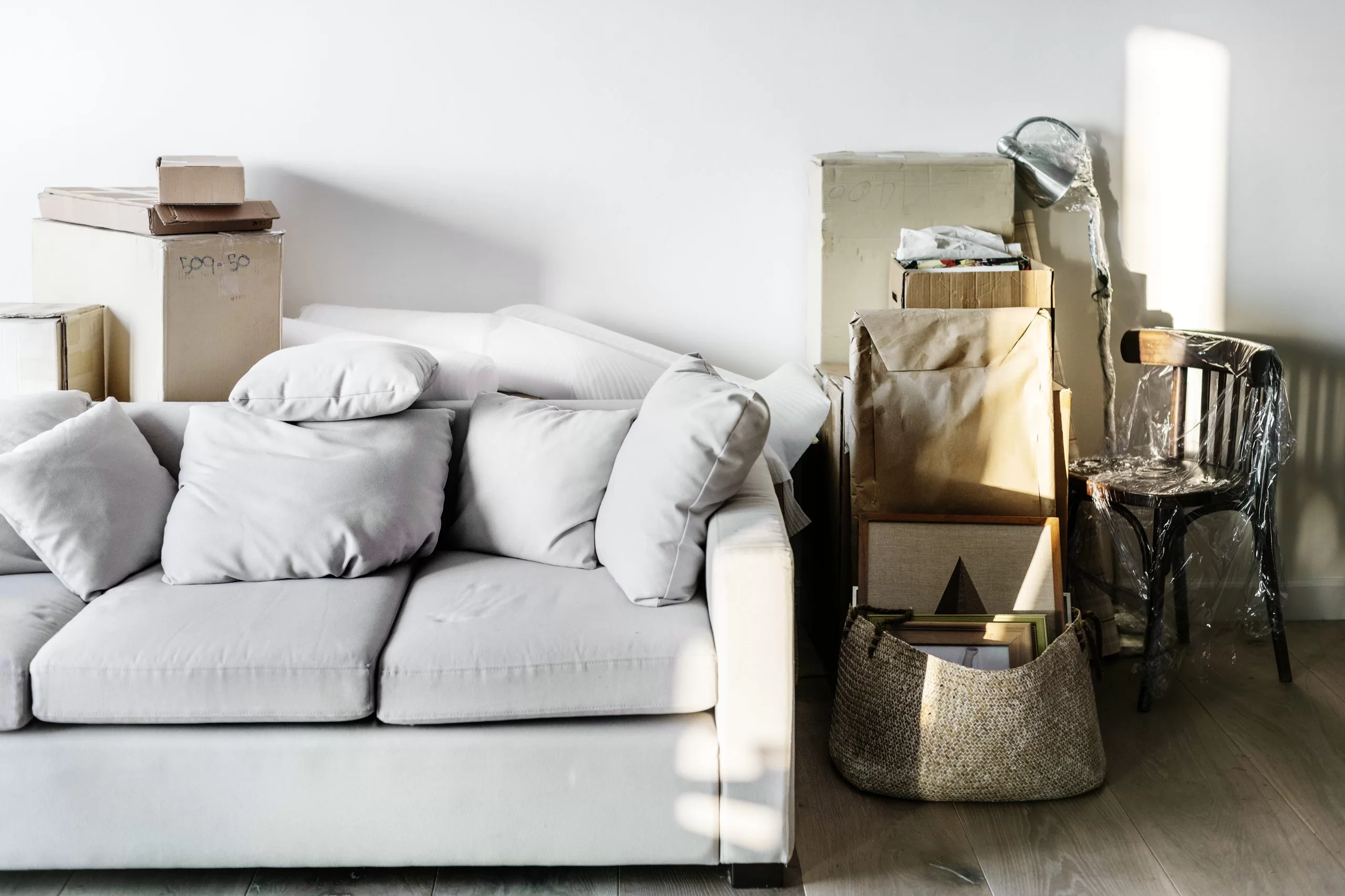
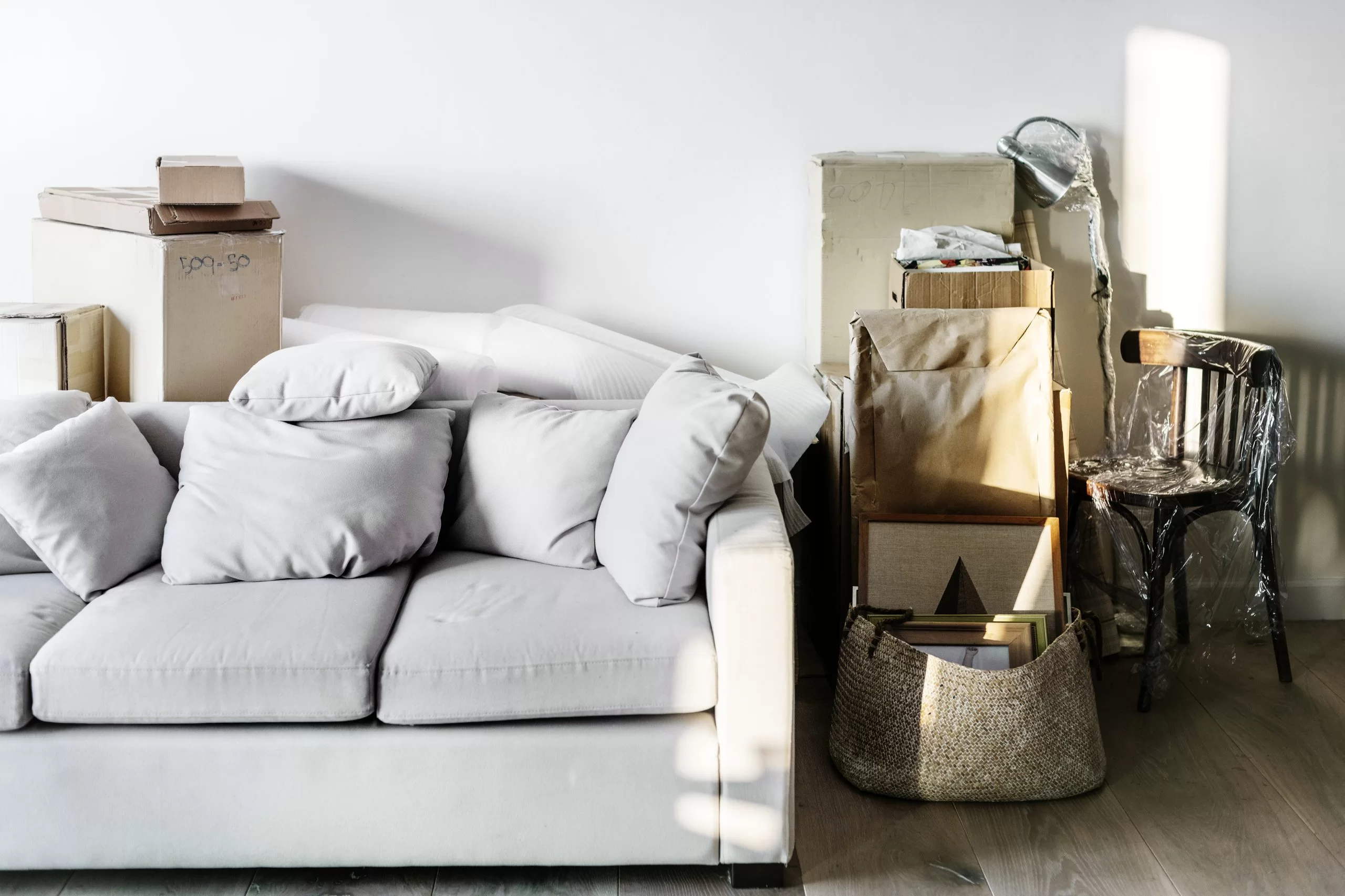
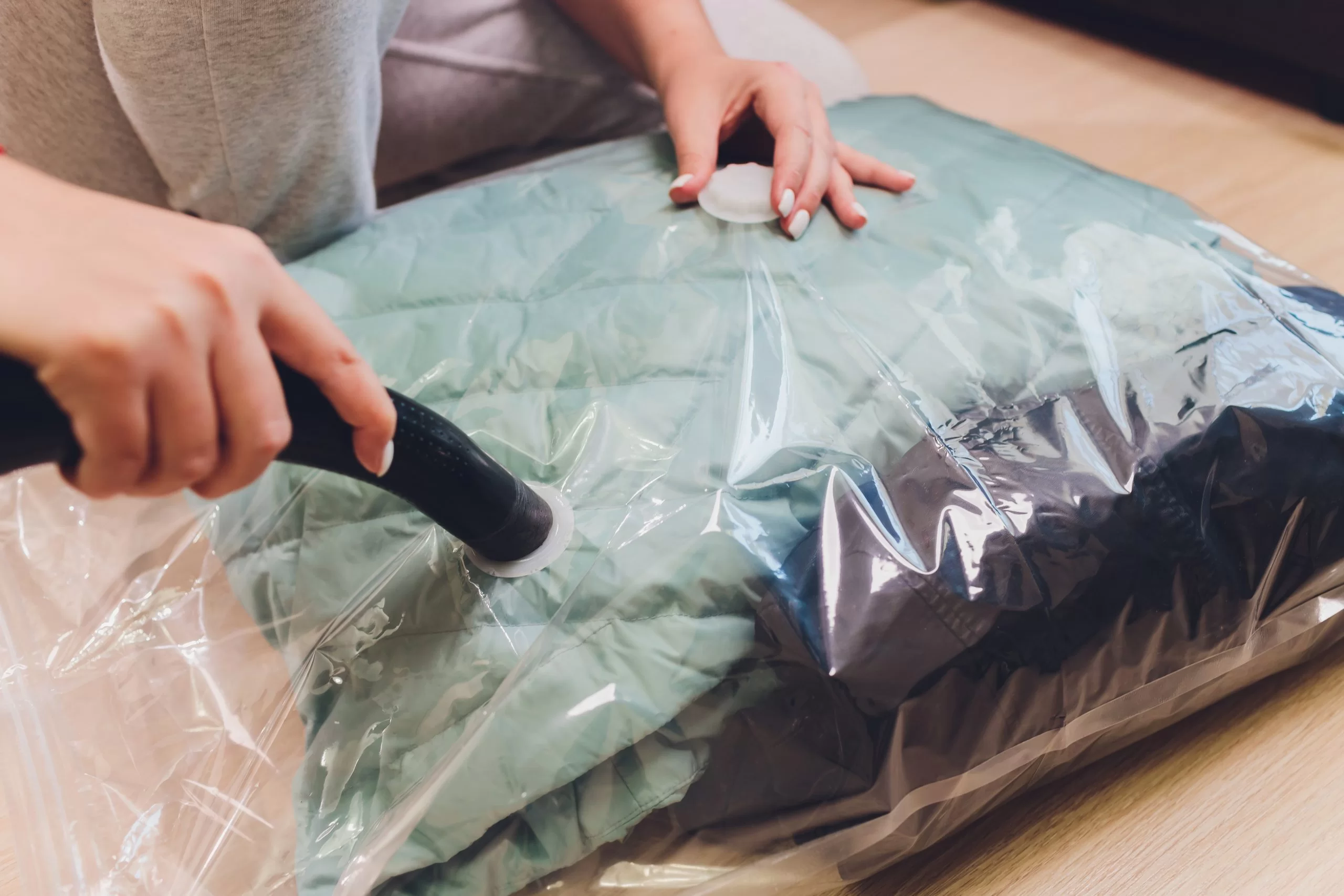
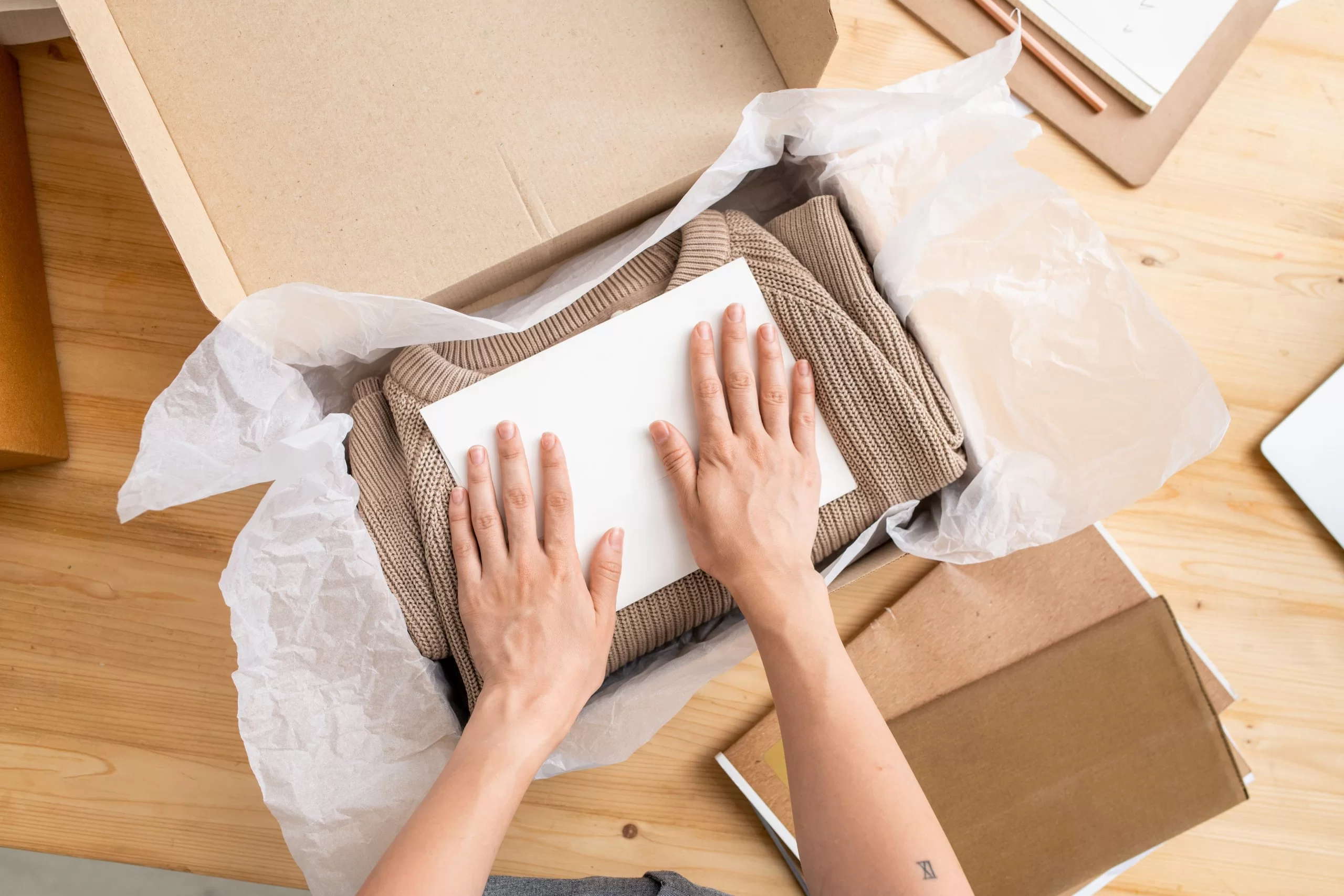
Use breathable materials like old sheets, blankets, or drop cloths rather than plastic wrap, which traps moisture and creates ideal conditions for mould growth. Furniture pads provide excellent protection for valuable pieces.
For wooden furniture, avoid wrapping too tightly – wood needs to breathe during storage to prevent warping and splitting. Upholstered pieces benefit from dust covers that protect fabric and allow the flow of air.
Additionally, secure coverings with tape or ties, but avoid placing tape directly on furniture surfaces where it could leave residue or damage finishes.
Tip 4: Organise Storage Layout for Easy Access
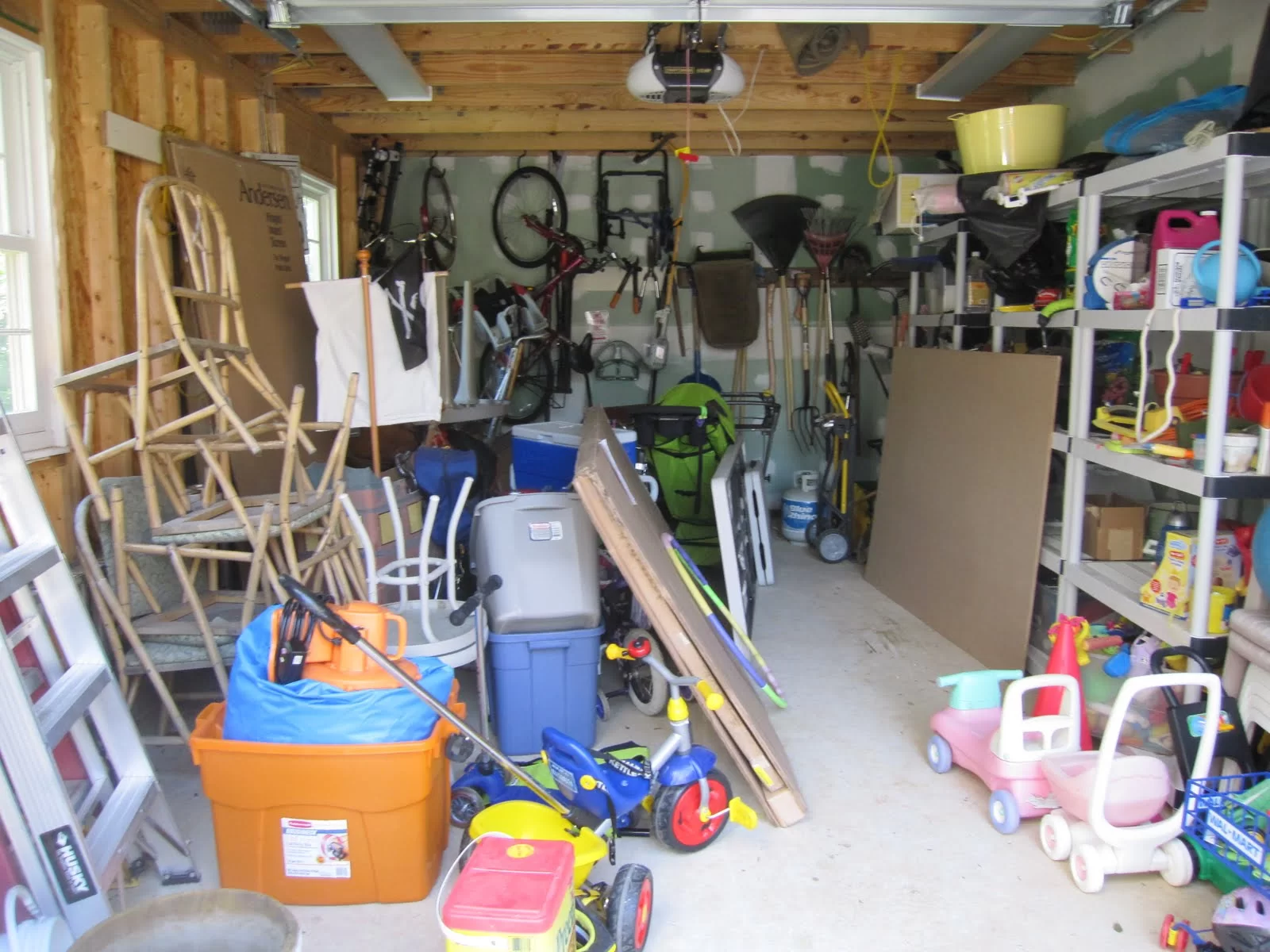
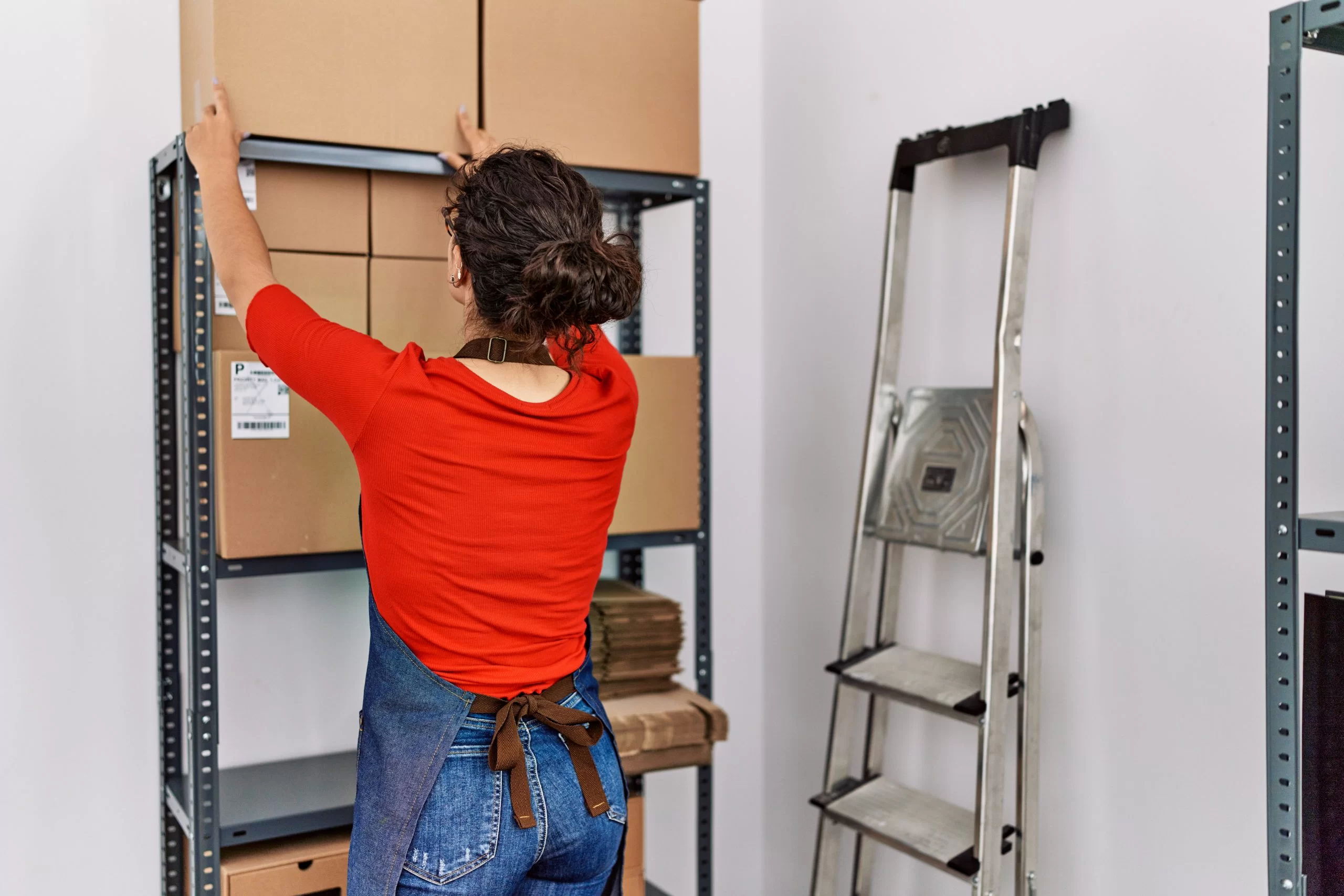
Place heavy items like wardrobes and bookcases against back walls for stability, keeping lighter items towards the front for easier access. Leave walkways between furniture pieces to prevent having to move multiple items when retrieving something specific.
Store furniture legs down when possible to maintain structural integrity and stop warping. Use furniture dollies or sliders when moving heavy pieces within the storage unit to prevent scratches.
Consider the order in which you will need items in your new home – place the most needed items near the storage unit entrance first.
Tip 5: Label and Document Everything Systematically
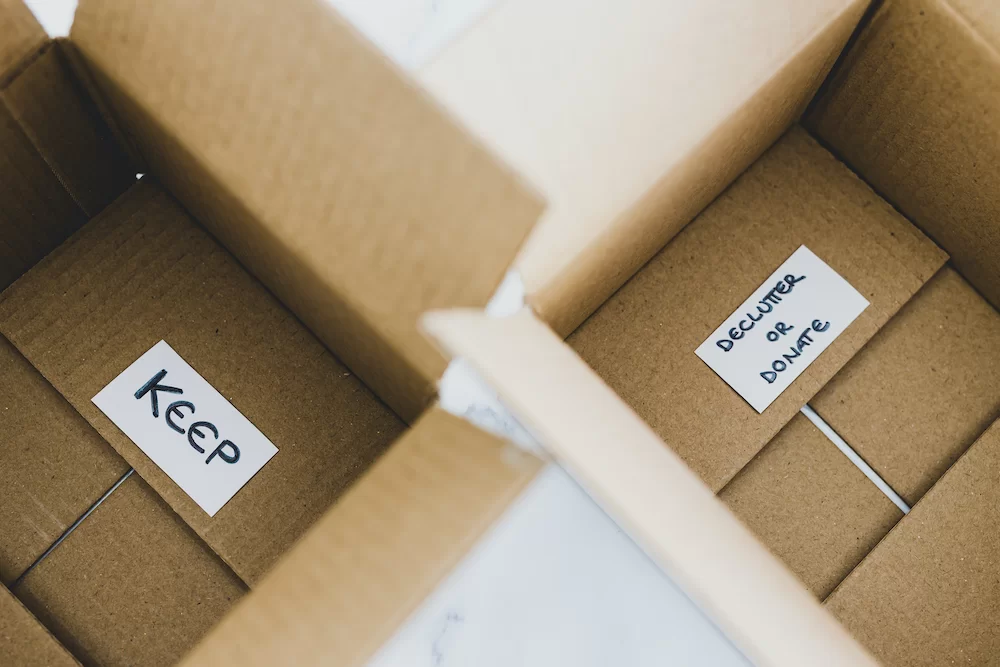
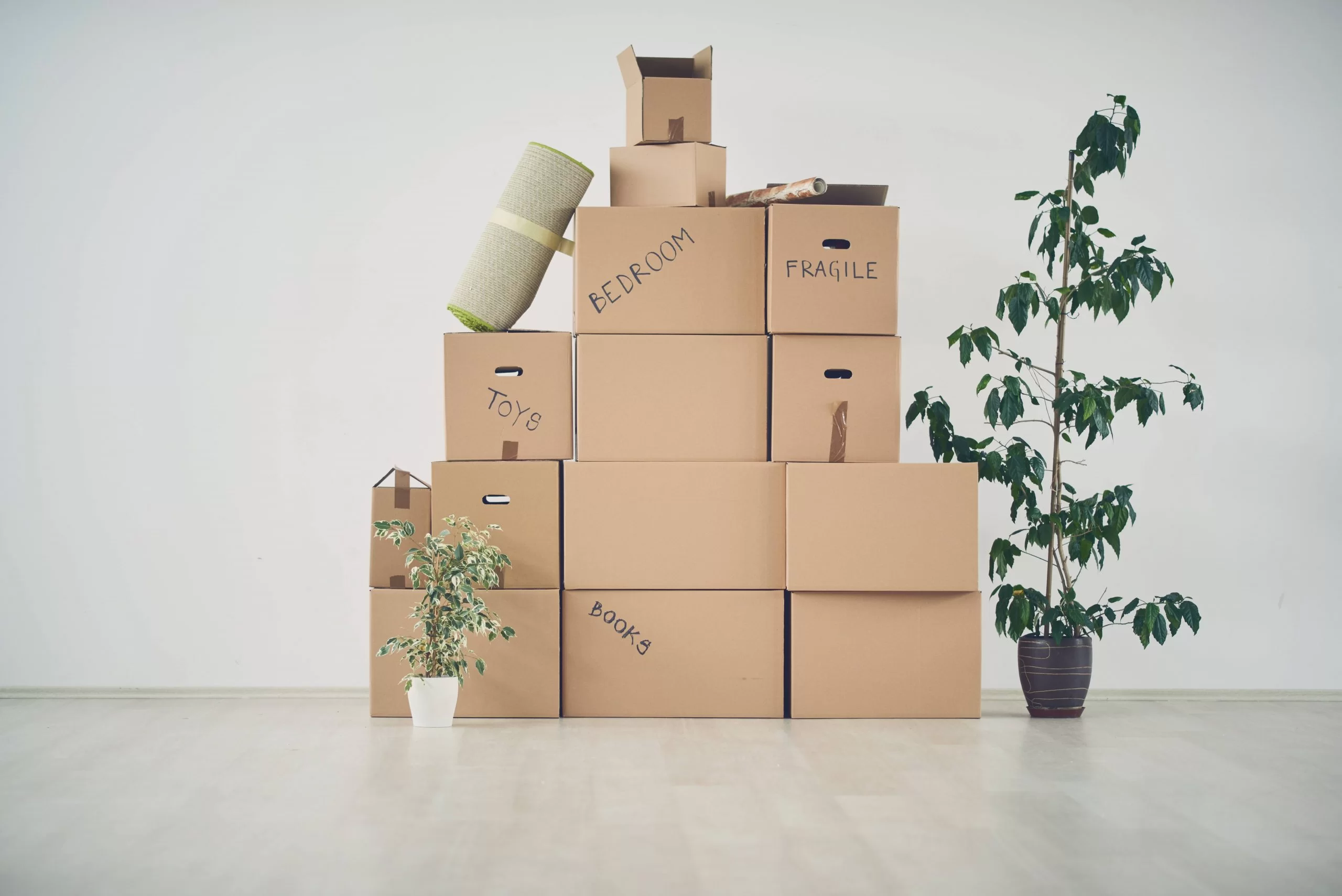
Label each piece of furniture with its name, room destination, and any special handling requirements. Create a detailed inventory with photos showing the condition of each item before storage.
Keep hardware bags attached to their corresponding furniture pieces and maintain a master list of what’s stored where within your unit. This organisation saves time during retrieval and helps make sure nothing gets left behind.
Document any existing damage with photos and descriptions to avoid confusion when retrieving items from storage. This documentation matters for valuable pieces or insurance claims.
Choosing the Right Storage Partner
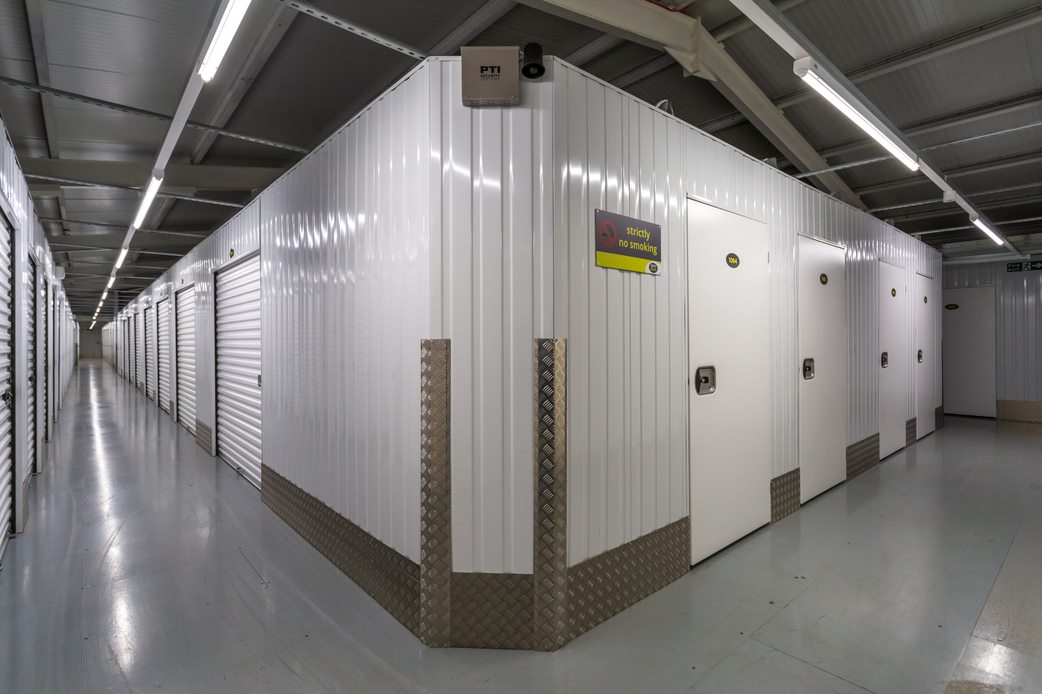
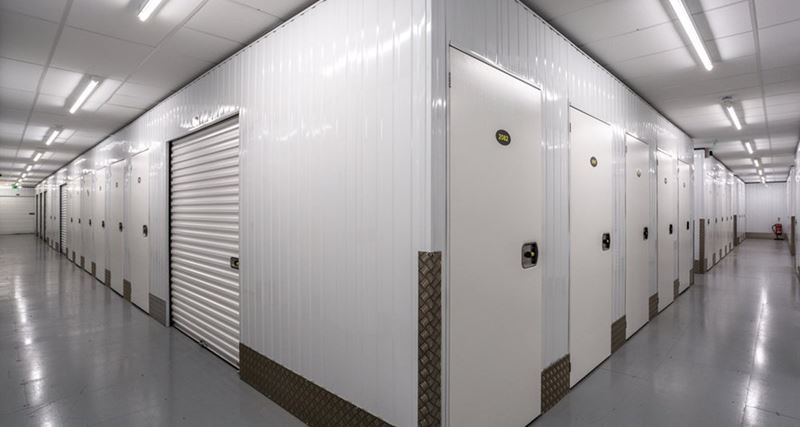
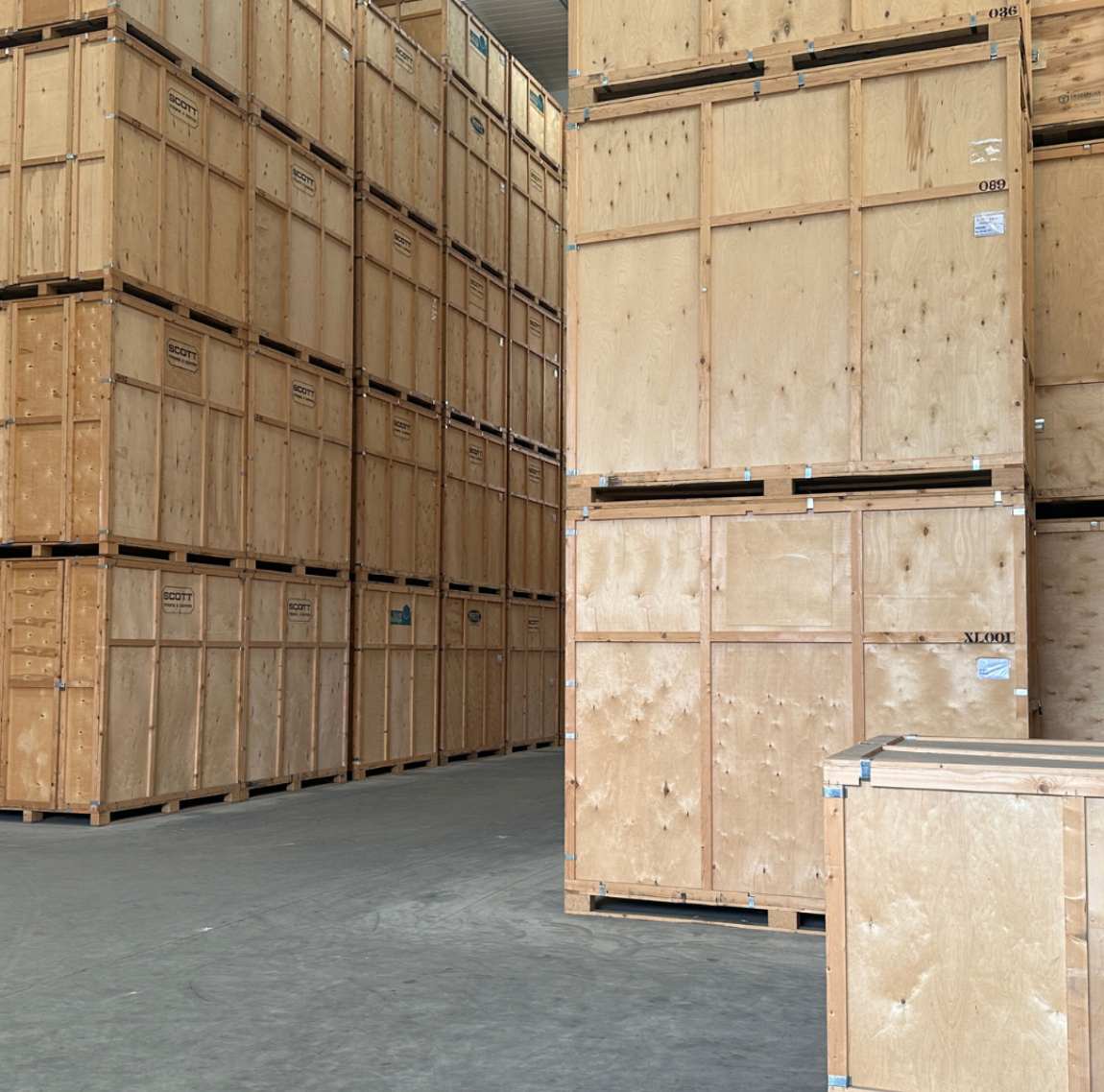
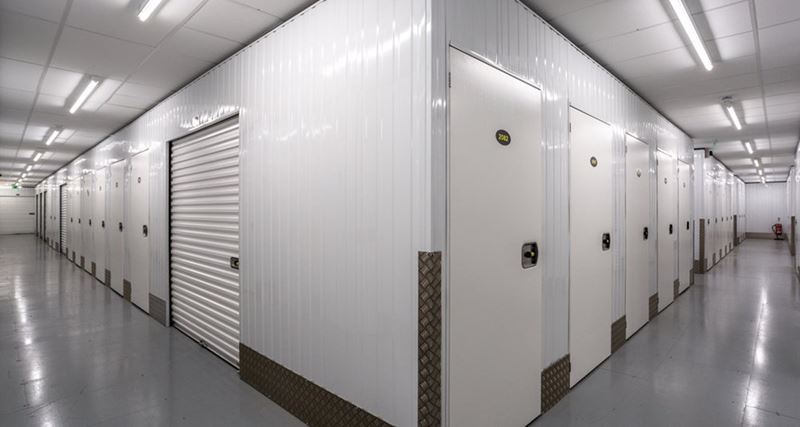
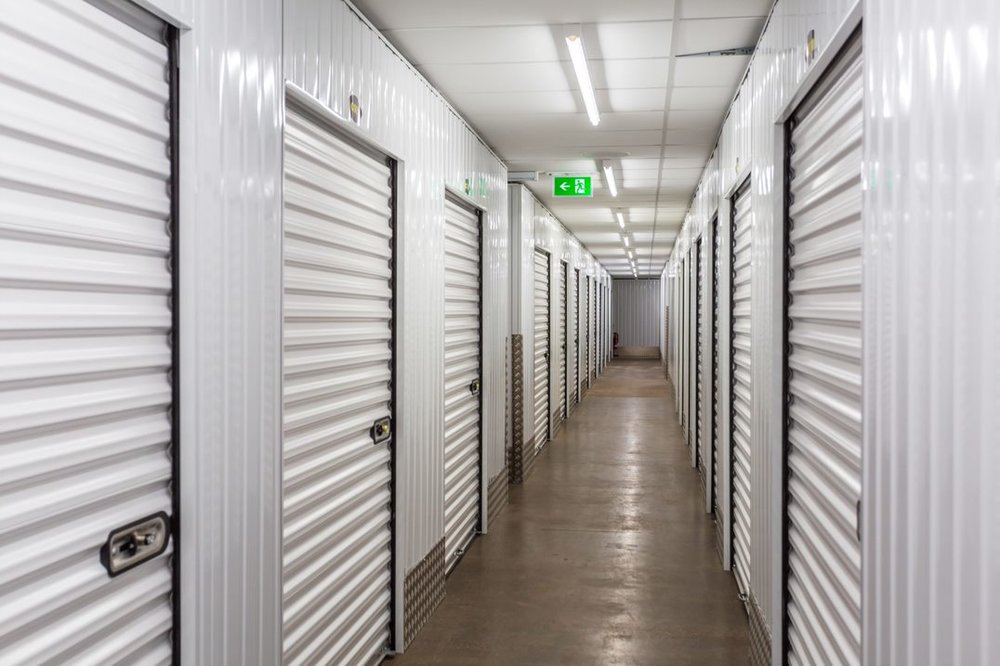
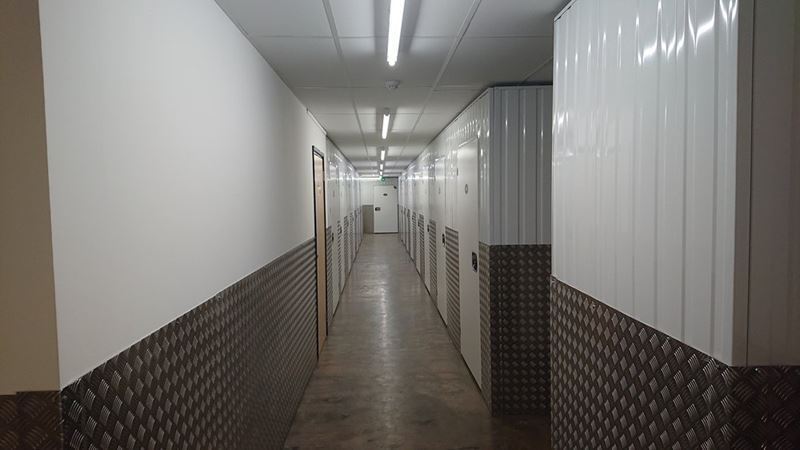
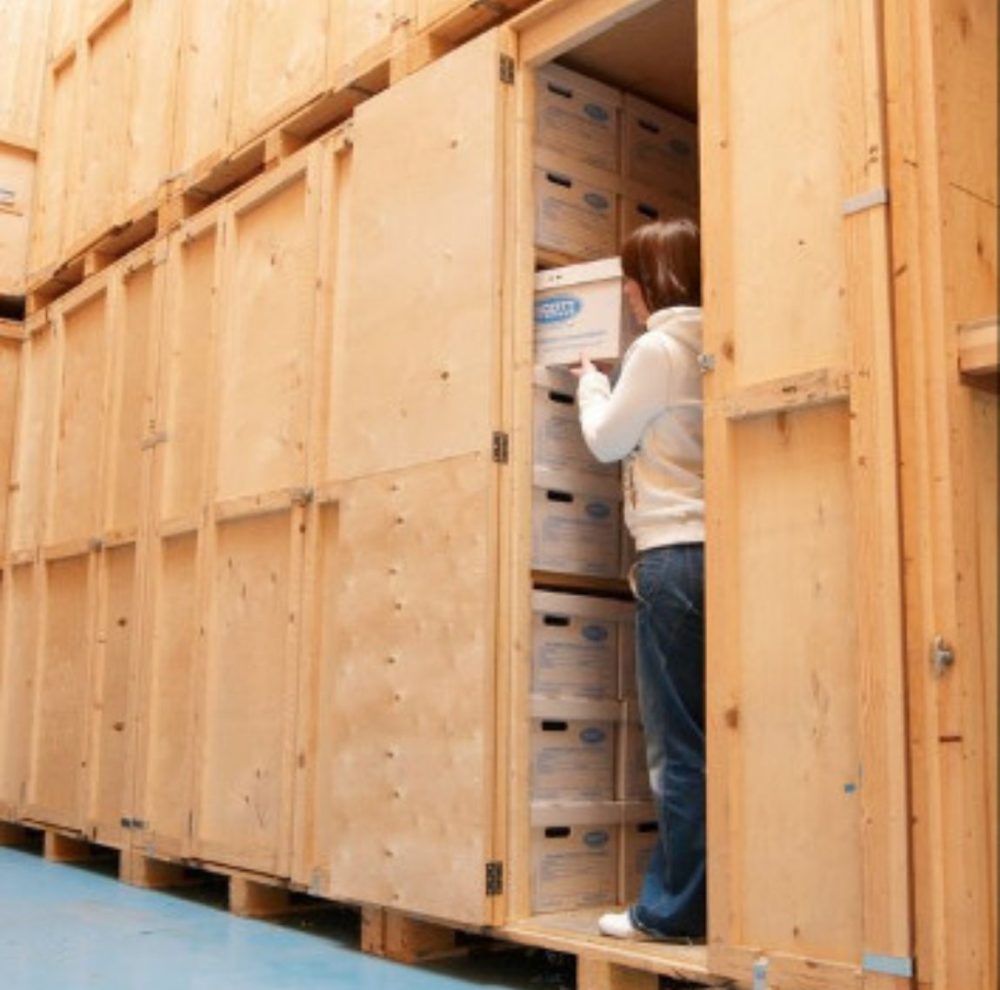
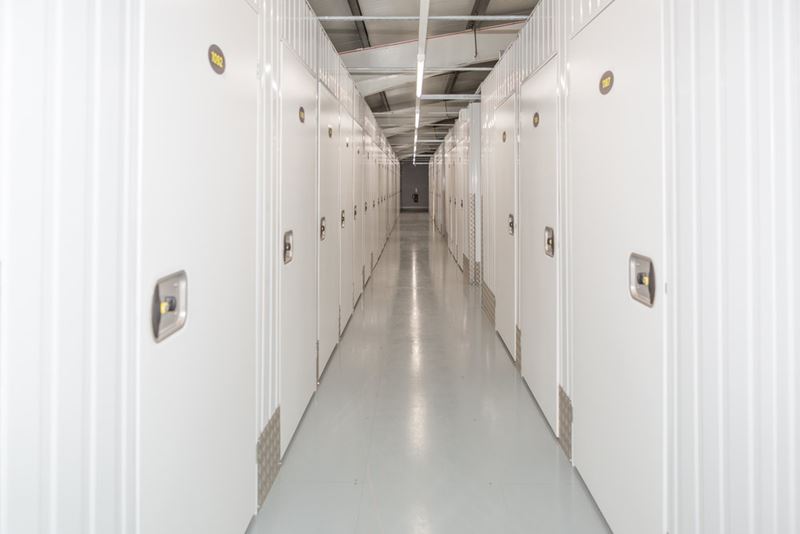
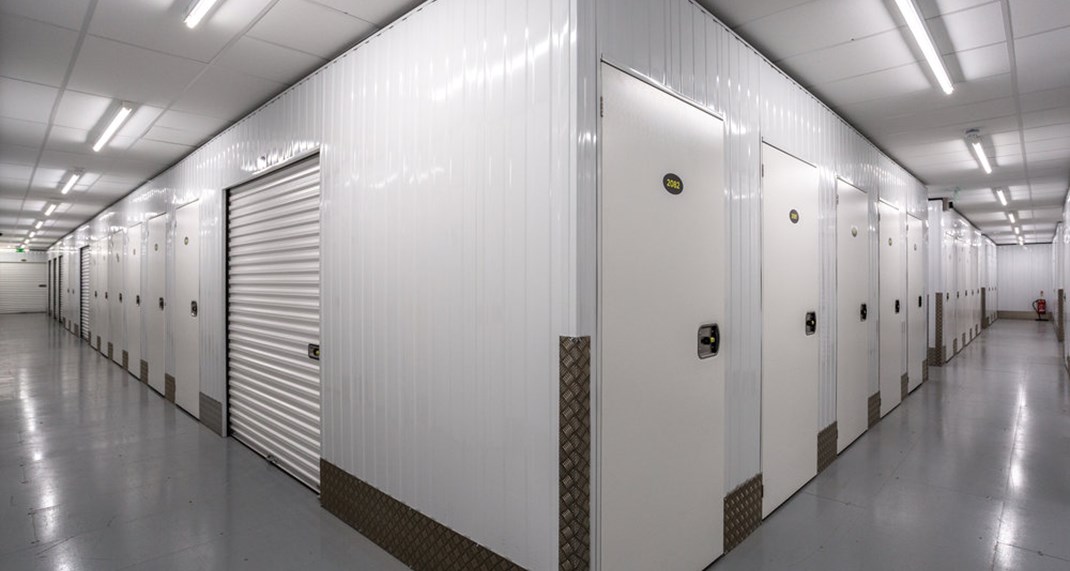
Professional storage facilities offer a controlled environment and security features that best protect your furniture investment.
When evaluating storage options, consider factors like security systems and accessibility features that support safe furniture storage. Facilities with drive-up access make loading and unloading easier, reducing damage risk during transport.
For help transporting furniture to storage, van hire services provide appropriate vehicles with the space and features needed for safe furniture transport.
Protecting Your Furniture Through Expert Self-Storage Solutions
Safe furniture storage tips work together to protect your pieces during moving periods. Smart preparation, wrapping, and professional storage conditions ensure your furniture stays in excellent condition.
These proven techniques will help protect your investment and sentimental attachment to cherished furniture pieces. Contact us today to discuss storage solutions to protect your furniture during your move.
Share article on socials: